

How to Choose Brake Pads for Your Vehicle
Your brake pedal should feel predictable every time you leave the driveway, merge onto Highway 121, or stop in school traffic. Knowing how to choose brake pads helps you protect that confidence without paying for a part that does not fit your vehicle or your driving habits.
Brake pads are not one-size-fits-all. The least expensive option may be fine for a lightly driven commuter car, while a truck that tows or an SUV loaded with kids needs a pad built to handle more heat and weight. The right choice comes down to your vehicle, the way you use it, and the condition of the full braking system.
How to Choose Brake Pads Based on Your Driving
Start with how and where you drive. A driver who takes short trips around Bedford, Hurst, and Euless has different brake needs than someone commuting across DFW every day. Stop-and-go traffic creates repeated heat cycles. Highway driving usually causes less pad wear, but hard braking at high speeds puts more demand on the pads and rotors.
For a typical sedan, minivan, or compact SUV used for daily commuting, quality ceramic or premium semi-metallic pads are usually a practical choice. They provide dependable stopping power without adding more expense than most everyday drivers need.
If you drive a pickup, full-size SUV, work van, or a vehicle that regularly carries heavy loads, pay close attention to the pad's duty rating. More vehicle weight means more energy must be controlled when you stop. A pad made for heavier use can hold up better under heat and reduce the chance of brake fade during repeated braking.
Towing is another factor. If you pull a trailer, boat, RV, or equipment, do not choose pads based on price alone. Your braking system works harder with every extra pound behind the vehicle. A technician can recommend pads, inspect the rotors, and make sure the complete system is ready for the load.
Understand the Main Brake Pad Materials
The material inside the brake pad affects noise, dust, wear, price, and stopping performance. There is no single best material for every vehicle.
Ceramic brake pads
Ceramic pads are a popular choice for many passenger vehicles. They are generally quieter than other options, create less visible brake dust, and offer smooth everyday braking. That makes them a good fit for drivers who want clean wheels and a comfortable ride.
The trade-off is cost. Ceramic pads often cost more than basic semi-metallic pads. They may also not be the best answer for every heavy-duty application, especially when a vehicle sees extreme loads, aggressive driving, or demanding towing conditions.
Semi-metallic brake pads
Semi-metallic pads contain metal fibers that help them manage heat and provide strong stopping performance. They are commonly used on trucks, SUVs, and many factory brake systems because they are durable and handle tougher braking conditions well.
They can be noisier than ceramic pads and may produce more brake dust. They can also be harder on rotors in some applications. Still, for drivers who need confident braking under heavier use, those trade-offs can be worthwhile.
Organic brake pads
Organic pads are usually made from non-metallic materials and are often the lowest-cost option. They tend to be quiet and can feel smooth under light braking. On the other hand, they generally wear faster and do not handle high heat as well as ceramic or semi-metallic pads.
They can work for certain older or lightly driven vehicles, but they are not usually the first recommendation for a busy DFW commuter, a family SUV, or any vehicle used for towing.
Match the Pads to Your Exact Vehicle
Even two vehicles from the same manufacturer can need different brake pads. Engine size, trim level, drivetrain, wheel size, brake package, and production date can all affect fitment. The front and rear pads may also be different.
Do not rely only on a vehicle's make and model when ordering pads. Confirm the year, trim, VIN details, and brake system specifications. A pad that physically fits but is not designed for your brake setup can lead to noise, uneven wear, poor pedal feel, or reduced braking performance.
This is one reason professional brake service matters. A brake inspection is not just about putting new pads in place. The technician should verify the correct parts and check the parts around them, including rotors, calipers, hardware, brake fluid, and brake hoses.
Do Not Ignore the Rotors and Brake Hardware
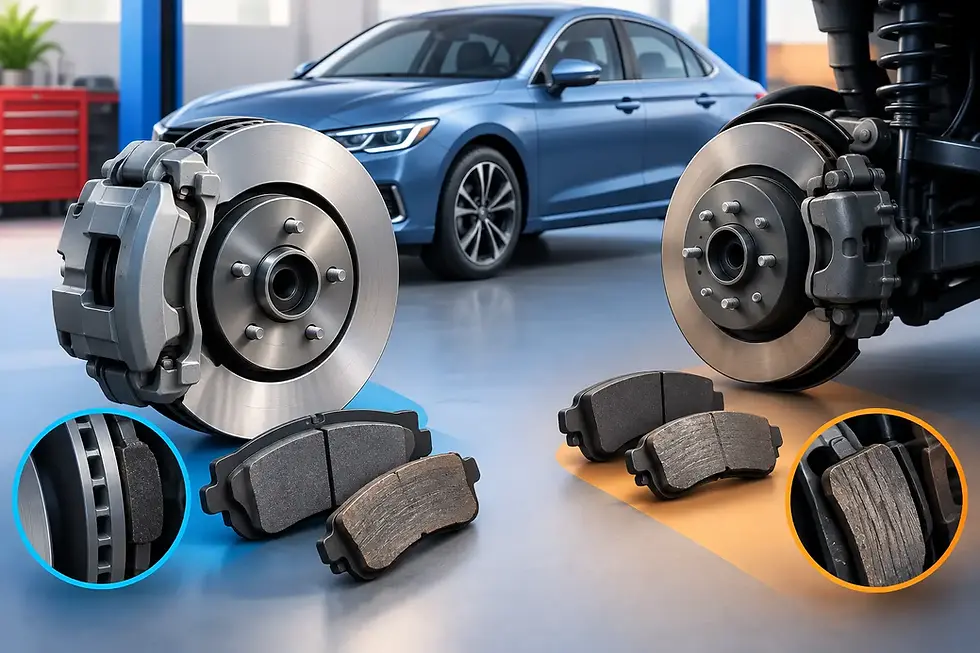
New brake pads need a smooth, properly measured rotor surface to work their best. If the rotors are too thin, deeply grooved, warped, cracked, or heat-damaged, installing pads alone may not solve the problem.
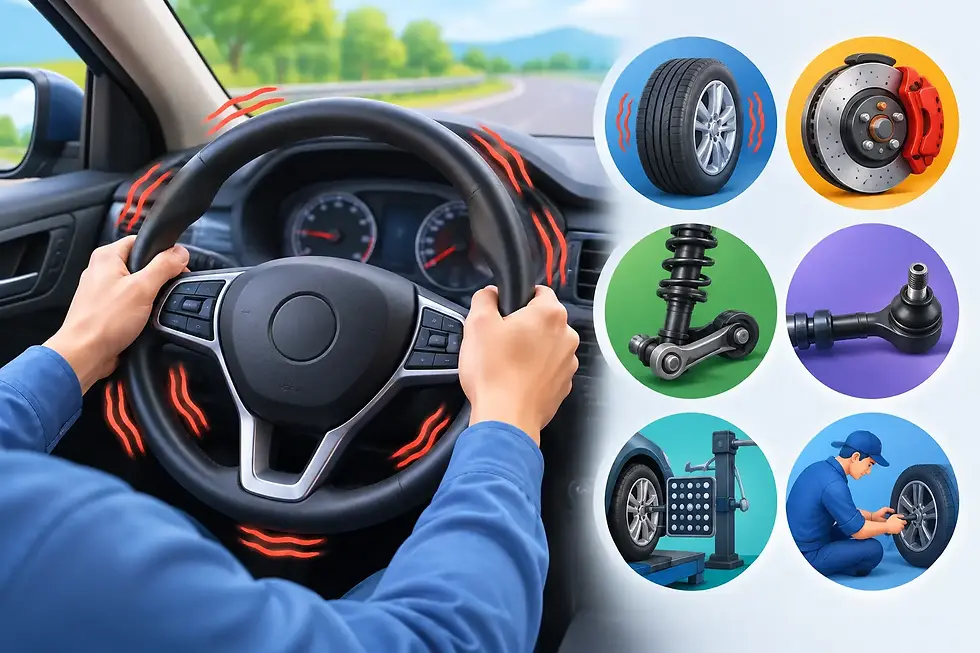
You may hear a squeal, feel a steering wheel vibration, or notice a pulsation in the brake pedal when rotors are worn or uneven. These symptoms are not always caused by rotors, but they should be checked before you approve a simple pad replacement.
Brake hardware also matters more than many drivers realize. Clips, shims, slides, and mounting hardware help the pads move correctly and reduce unwanted noise. Reusing worn hardware can cause pads to drag, wear unevenly, or make irritating sounds soon after service.
A good brake job addresses the whole system, not only the friction material. That may include cleaning and lubricating caliper slide pins, replacing hardware when needed, measuring rotor thickness, and checking for fluid leaks or sticking calipers.
Choose Quality Without Paying for Features You Do Not Need
Brake pads are a safety item. That does not mean you always need the most expensive option on the shelf, but it does mean ultra-cheap parts are rarely a smart gamble. Low-quality pads can wear quickly, make excessive noise, create heavy dust, or provide inconsistent stopping power.
Look for pads made by reputable manufacturers and designed for your vehicle's intended use. A quality pad should come with dependable fitment, proper shims or hardware where applicable, and a warranty that makes sense for the part. Be cautious with broad claims like “performance” or “heavy duty” if they do not explain what the pad is actually designed to do.
For most drivers, the best value is not the cheapest pad. It is the pad that lasts well, stops consistently, works with the existing brake system, and avoids a return visit for noise or premature wear.
Know When Brake Pads Need Attention
Brake pads do not always give a lot of warning before they become a safety concern. Many pads have wear indicators that make a high-pitched squeal when the pad material gets low. That sound can be easy to ignore, especially if it comes and goes, but it is a good reason to schedule an inspection.
Other warning signs include grinding, a soft or unusually hard brake pedal, pulling to one side, vibration when braking, a burning smell near a wheel, or a brake warning light. Grinding can mean the pad material is gone and metal is contacting the rotor. Waiting at that point can turn a pad replacement into a more expensive rotor and caliper repair.
Brake wear varies widely. Some pads last 30,000 miles, while others can last much longer. Driving habits, traffic, vehicle weight, road conditions, and pad material all affect the timeline. The right move is to have brakes checked during routine maintenance rather than waiting for a noise.
Get a Clear Recommendation Before You Approve Repairs
A brake inspection should give you practical answers: how much pad material remains, whether the rotors can stay in service, whether any caliper or fluid issue is present, and which pad type fits your vehicle. You should not have to guess whether a recommendation is based on safety, performance, or just a more expensive part.
At JD Garage Auto Repair & Tires, we inspect the full brake system and explain what your vehicle needs in plain language. If budget is a concern, ask about your options before delaying brake work. Keeping your car safe should not mean being left without a clear path forward.
The best brake pads are the ones that match your vehicle, your daily drive, and the condition of the parts around them. If your brakes are noisy, vibrating, pulling, or simply due for a check, get them inspected before the next hard stop makes the decision for you.


Comments