
Brake Inspection Near Me: What to Look For
That brake pedal should feel the same every time you press it. If it suddenly feels soft, takes longer to stop, squeals at every light, or makes the steering wheel shake, it makes sense to search for brake inspection near me right away. Brake problems rarely get better on their own, and waiting usually turns a smaller repair into a more expensive one.
When a brake inspection makes sense
Some drivers wait until the noise gets bad. Others wait until the brake warning light comes on. Neither is a great plan. Your brakes wear a little at a time, which means the early signs can be easy to ignore until the issue becomes more serious.
A brake inspection is worth scheduling if you hear squeaking or grinding, feel vibration when stopping, notice the car pulling to one side, or see brake fluid leaking near a wheel. It also makes sense before a road trip, after driving in heavy stop-and-go traffic for months, or anytime the vehicle has been sitting for a long period. Even if the car still stops, that does not always mean the system is in good shape.
A lot depends on how and where you drive. A Bedford commuter who deals with daily traffic will usually wear brakes faster than someone who mostly drives short local errands on lighter roads. Larger SUVs, work trucks, and vehicles carrying passengers or cargo regularly can also go through pads and rotors sooner.
What happens during a brake inspection near me search
When people look up a brake inspection near me, they are usually trying to answer two questions. First, is the car safe to drive? Second, how much is this going to cost me? A proper inspection should help with both.
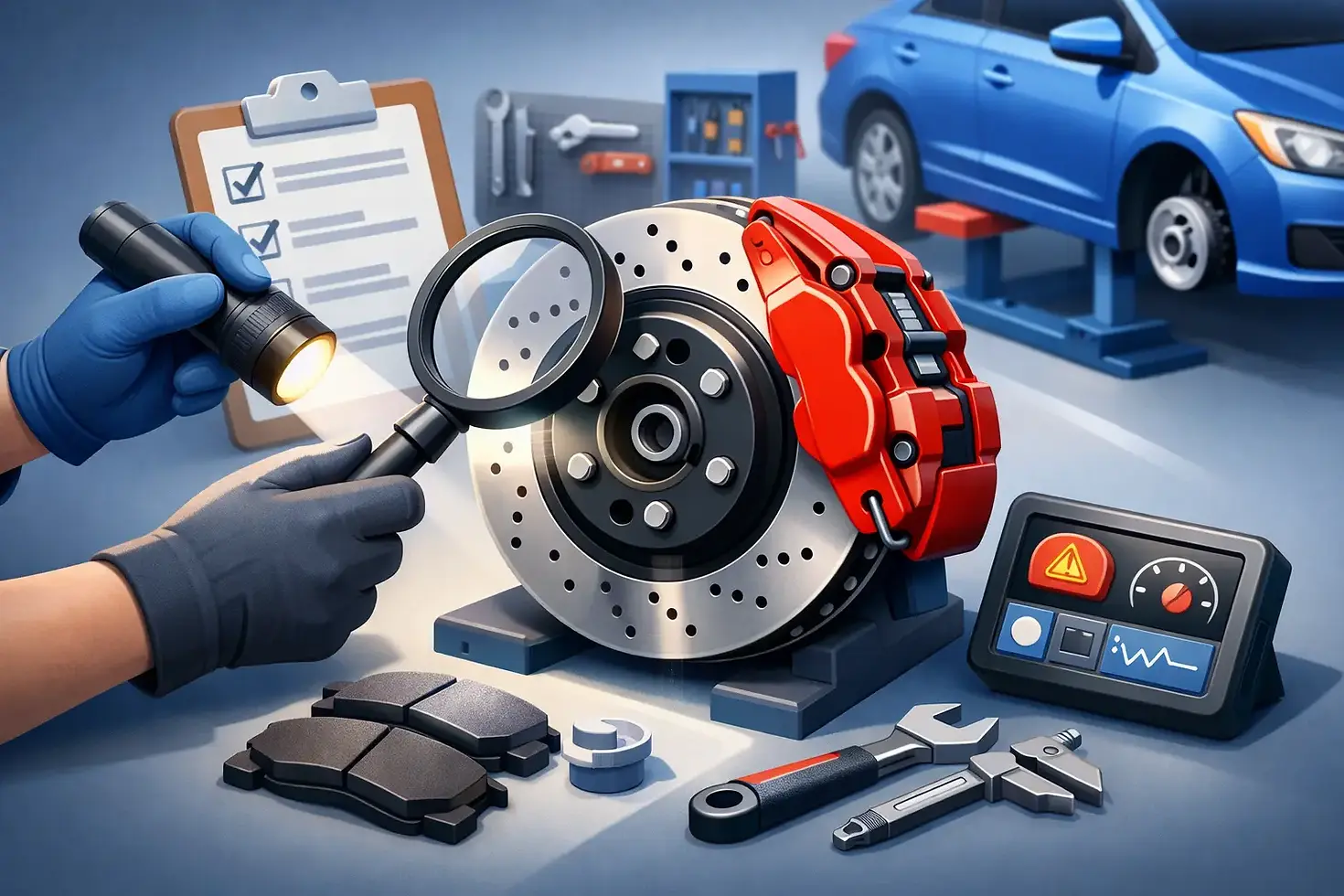
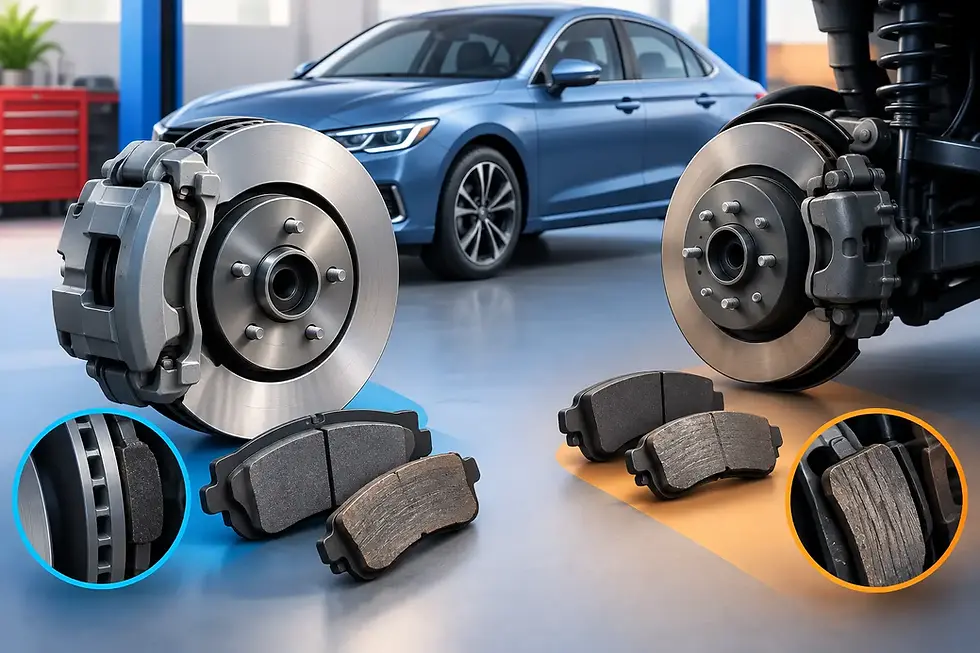
A good shop checks more than just the brake pads. The technician should inspect pad thickness, rotor condition, calipers, brake hoses, hardware, and brake fluid level and condition. On many vehicles, they will also look for uneven wear patterns that can point to sticking calipers, worn suspension parts, or tire issues affecting braking performance.
That matters because brake symptoms are not always caused by the same part. A squeal might mean worn pads, but it could also come from glazed friction material or hardware issues. A shake in the pedal might point to rotor problems, but in some cases steering or suspension wear is part of the complaint. This is why a quick guess in the parking lot is not the same as a real inspection.
Common signs your brakes need attention
Brake systems usually give warnings before they fail completely. The problem is that drivers get used to the symptoms and keep pushing the repair down the list.
Squeaking is one of the most common early signs. Many pads are designed to make noise when they are getting low, but not every squeak means immediate replacement. Grinding is more serious. That often means the pad material is worn down far enough that metal is contacting the rotor, and that can raise the repair cost fast.
A soft or spongy pedal can point to air in the lines, worn components, or a hydraulic issue. If the pedal goes low and braking feels weak, that is not something to monitor for a few more weeks. The same goes for a brake warning light. If a light is on, the system needs to be checked.
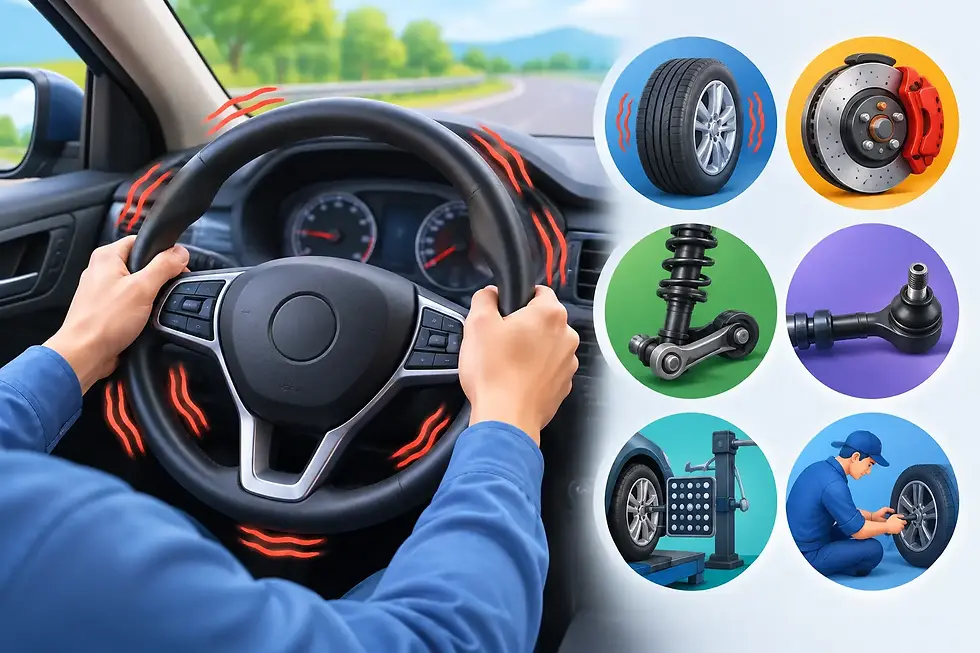
Pulling left or right when braking can mean uneven pad wear, a stuck caliper, contaminated brake components, or even tire-related issues. Vibration while stopping often points to rotor wear or heat damage, especially if the shake shows up more at highway speeds.
What affects brake repair cost
One reason drivers put off service is simple - they are worried about the bill. That is understandable. But brake repair costs depend on what is actually worn and how long the problem has been ignored.
If the issue is caught early, you may be looking at pads and possibly rotor service or replacement. If the vehicle has been driven too long with grinding brakes, the repair may grow to include rotors, calipers, hardware, and fluid service. In some cases, one damaged part causes extra wear elsewhere.
Vehicle type also matters. Brake parts for a compact sedan are often less expensive than parts for a heavy-duty truck or larger SUV. Driving style matters too. Hard braking, towing, and frequent traffic all increase wear.
This is where a straightforward inspection helps. It gives you a clear picture of what is needed now versus what may need attention later. If budget is part of the decision, ask the shop to explain the difference between urgent safety repairs and maintenance that can be planned.
Choosing the right local shop
Not every shop handles brake service the same way. If you are searching for a brake inspection near me, convenience matters, but so does trust. You want a place that can inspect the system properly, explain the problem in plain language, and handle the repair without sending you somewhere else for related work.
A full-service local shop has an advantage here. If the brake issue is connected to tires, alignment, suspension, steering, or warning lights on the dash, the same team can usually inspect the full picture. That saves time and cuts down on the back-and-forth that happens when one shop only does part of the job.
It also helps to look for practical service policies. After-hours drop-off can make a big difference if you work all day. Financing options may matter if the repair comes at a bad time. If you have an extended warranty or insurance-related repair questions, ask whether the shop works with those programs before you commit.
At JD Garage Auto Repair & Tires, that one-stop approach is a big part of the value for local drivers. If your car needs brakes, tires, diagnostics, or other mechanical work at the same visit, you do not have to piece the repair together across multiple places.
How often should brakes be inspected?
There is no one mileage number that fits every vehicle. Some brakes wear quickly and some last much longer. That is why inspections are more useful than guesses.
As a general rule, brakes should be checked during routine maintenance intervals and anytime there is a change in noise, feel, or stopping performance. If you are already coming in for tire service, an oil change, or state inspection, it is smart to mention any brake concerns while the vehicle is there.
Drivers who commute daily, sit in traffic, haul heavier loads, or drive in hotter conditions may need more frequent checks. If your vehicle is used mostly for short trips around town, brake components may also see a different wear pattern than a highway-driven vehicle.
The key is not to wait for a worst-case scenario. Brake parts are wear items. Catching them at the right time is usually cheaper, safer, and easier on the rest of the system.
Why early inspections save time and money
A lot of brake repairs become expensive because the first warning signs were ignored. A minor squeal becomes metal-on-metal contact. Uneven wear damages a rotor. A sticking caliper overheats parts that would have lasted longer with earlier service.
Early inspection does not always mean immediate major work. Sometimes it means confirming the brakes are still in decent shape and letting you know what to watch for next. That kind of information is useful, especially if you are trying to plan around your budget or schedule.
It also gives you confidence in the car you drive every day. Whether you are dropping kids off at school, commuting across DFW, or getting ready for a weekend drive, you should not have to second-guess whether the vehicle will stop the way it should.
What to do next if your brakes feel off
If your brakes are noisy, weak, shaky, or just not feeling normal, trust that instinct. Search results for brake inspection near me are easy to find. What matters more is choosing a local shop that will inspect the system carefully, explain what is going on without the runaround, and help you get back on the road safely.
A brake problem is not the kind of issue that rewards waiting. If something feels different, get it checked now, while you still have options.


Comments