

Does Tire Pressure Affect Mileage? Here’s How
A few PSI may not look like much on a tire gauge, but it can show up in your fuel budget, tire life, and how your vehicle feels on the road. So, does tire pressure affect mileage? Yes. Tires that are not inflated to the vehicle manufacturer’s recommended pressure create more rolling resistance, which means your engine has to work harder to keep the vehicle moving.
For Bedford and DFW drivers, that matters. Stop-and-go commuting, long highway runs, hot pavement, and sudden temperature swings can all change tire pressure over time. A quick pressure check is one of the simplest ways to protect your tires and avoid wasting fuel.
Does Tire Pressure Affect Mileage? Absolutely
Your tires are the only parts of your vehicle that touch the road. When they are properly inflated, they hold their intended shape and roll efficiently. When they are underinflated, more of the tire’s surface flexes and contacts the pavement. That added flex creates heat and resistance.
More resistance requires more energy. In a gas-powered vehicle, that usually means using more fuel. In a hybrid or electric vehicle, it can reduce driving range. The mileage difference from slightly low tires may be modest on one short trip, but it adds up over weeks of commuting and errands.
There is no single miles-per-gallon number that applies to every vehicle. The effect depends on how low the pressure is, the size and type of tire, vehicle weight, road conditions, driving speed, alignment condition, and your driving habits. A tire that is just a couple PSI low is not the same problem as one that is seriously underinflated.
Why Low Tire Pressure Uses More Fuel
Think of pushing a shopping cart with a soft wheel. It still moves, but it takes more effort. Underinflated tires work in a similar way. The sidewalls flex more as the tire rotates, and the engine has to overcome that extra drag.
Low pressure can also create excess heat inside the tire. Heat breaks down tire materials over time and raises the risk of tire damage, especially during Texas summer driving or long highway trips. That means the issue is bigger than mileage alone.
You may not notice a major change in fuel economy right away. What you may notice is that your vehicle feels less responsive, steering seems heavier, or you are filling up more often than expected. Those signs can also point to other issues, so it is smart to have the vehicle checked if the problem continues.
Overinflating Tires Is Not the Answer
Some drivers assume adding extra air will improve gas mileage even more. That is not a good trade-off.
An overinflated tire can have a smaller contact patch, which may reduce traction and make the ride feel harsh. It can also cause uneven wear down the center of the tread. On wet roads, reduced grip can affect braking and handling when you need them most.
The goal is not maximum pressure. The goal is the correct pressure for your specific vehicle. Use the recommended cold tire pressure on the label inside the driver’s door jamb. On some vehicles, the label may be on the door edge, glove box door, or fuel door.
Do not use the maximum PSI molded into the tire sidewall as your everyday target. That number is the tire’s maximum inflation limit, not necessarily the pressure your vehicle manufacturer recommends for normal driving.
Check Pressure When Tires Are Cold
Tire pressure changes with temperature. As the outside temperature drops, pressure drops too. As temperatures rise, pressure rises. A large weather change can leave tires noticeably below their recommended setting without any puncture or visible damage.
For the most accurate reading, check pressure when the tires are cold - ideally before driving or after the vehicle has been parked for at least a few hours. Driving warms the tires and increases the pressure reading, which can make it harder to set them correctly.
Use a reliable tire gauge, remove the valve cap, press the gauge firmly onto the valve stem, and compare the reading with the driver-door label. Add or release air as needed, then replace the cap. Check all four tires, not just the one that looks low. If your vehicle has a spare tire that requires inflation, check that periodically too.
A practical schedule is once a month and before a road trip. You should also check after a sharp temperature change or anytime the tire pressure warning light comes on.
What the Tire Pressure Light Is Telling You
The tire pressure monitoring system, often called TPMS, is there to warn you when one or more tires are significantly low. Treat that light as a reason to check the tires soon, not as something to ignore until your next oil change.
The light does not always tell you why pressure is low. You could have a slow leak from a nail, a damaged valve stem, a wheel issue, or a tire that has simply lost pressure gradually. If you add air and the light comes back, there is likely a problem worth diagnosing.
A flashing TPMS light can indicate a system fault rather than low tire pressure. Either way, a shop can inspect the tires and sensors so you are not guessing.
Tire Pressure Is Only One Part of Mileage
Correct tire pressure helps, but it cannot fix every fuel-economy problem. If mileage has dropped suddenly, look at the whole vehicle.
Poor wheel alignment can make tires drag or wear unevenly. Worn suspension or steering parts can affect how the tires meet the road. Old spark plugs, a dirty air filter, engine sensor problems, overdue oil service, brake drag, and a check engine light can also reduce efficiency.
Your driving conditions matter too. Heavy traffic, frequent short trips, hard acceleration, excessive idling, roof cargo, and carrying unnecessary weight all use more fuel. If your vehicle is running rough, pulling to one side, vibrating, or showing uneven tread wear, pressure may be part of the issue but probably not the whole story.
Signs Your Tires Need Attention
Do not rely only on how a tire looks. Modern tires can be low without appearing flat, especially on larger vehicles. Watch for these common warning signs:
The TPMS warning light stays on or returns after you add air.
One tire repeatedly loses pressure faster than the others.
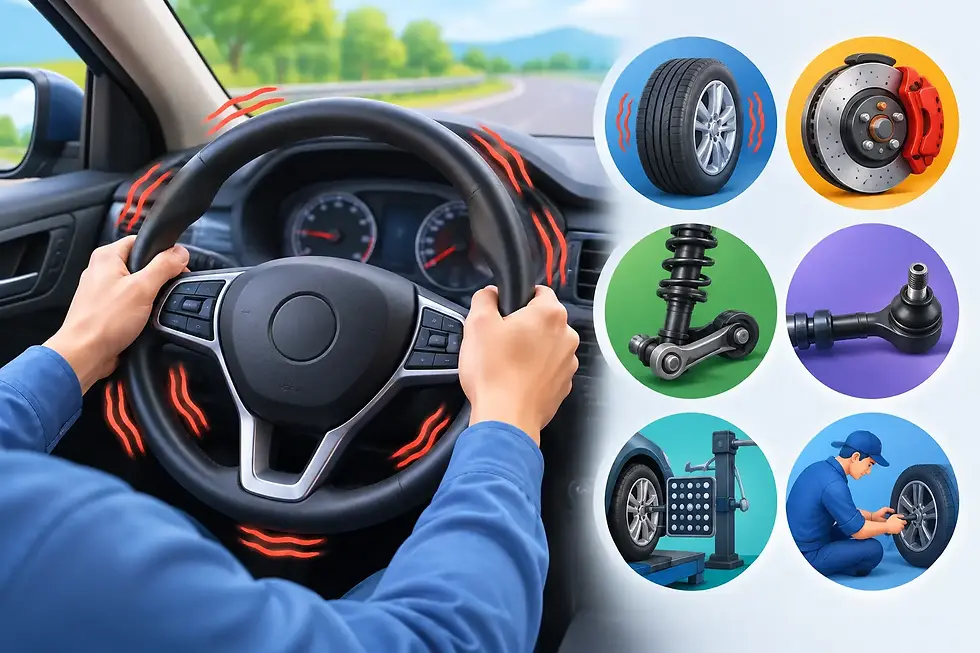
The vehicle pulls left or right, vibrates, or feels unstable.
Tread is wearing more on the outer edges or down the center.
You notice a nail, screw, crack, bulge, or sidewall damage.
A tire repair is sometimes possible when damage is small and located in the repairable tread area. Sidewall damage, major tread damage, or severely worn tires may require replacement. The right answer depends on the tire’s condition, not just whether it still holds air.
Keep Your Vehicle Rolling Efficiently
Checking tire pressure takes only a few minutes, but it supports better mileage, longer tire life, safer handling, and a smoother drive. Set the tires to the pressure listed on your vehicle’s door-jamb label, check them monthly, and do not wait on a warning light that keeps coming back.
If you are dealing with uneven wear, a slow leak, a TPMS light, or a vehicle that does not drive quite right, JD Garage Auto Repair & Tires can inspect the tires, alignment, and related systems in one visit. A small tire concern is easier and less expensive to handle before it becomes a roadside problem.


Comments