
Front Rear Brake Wear: What Drivers Should Know
That scraping sound at a Bedford stoplight is not something to turn up the radio over. Front rear brake wear is normal, but the rate and pattern of wear can tell a mechanic a lot about how your vehicle is stopping. Catching brake problems early can mean replacing pads before damaged rotors, sticking calipers, or reduced stopping power turn a routine repair into a bigger safety issue.
Why Front and Rear Brake Wear Is Different
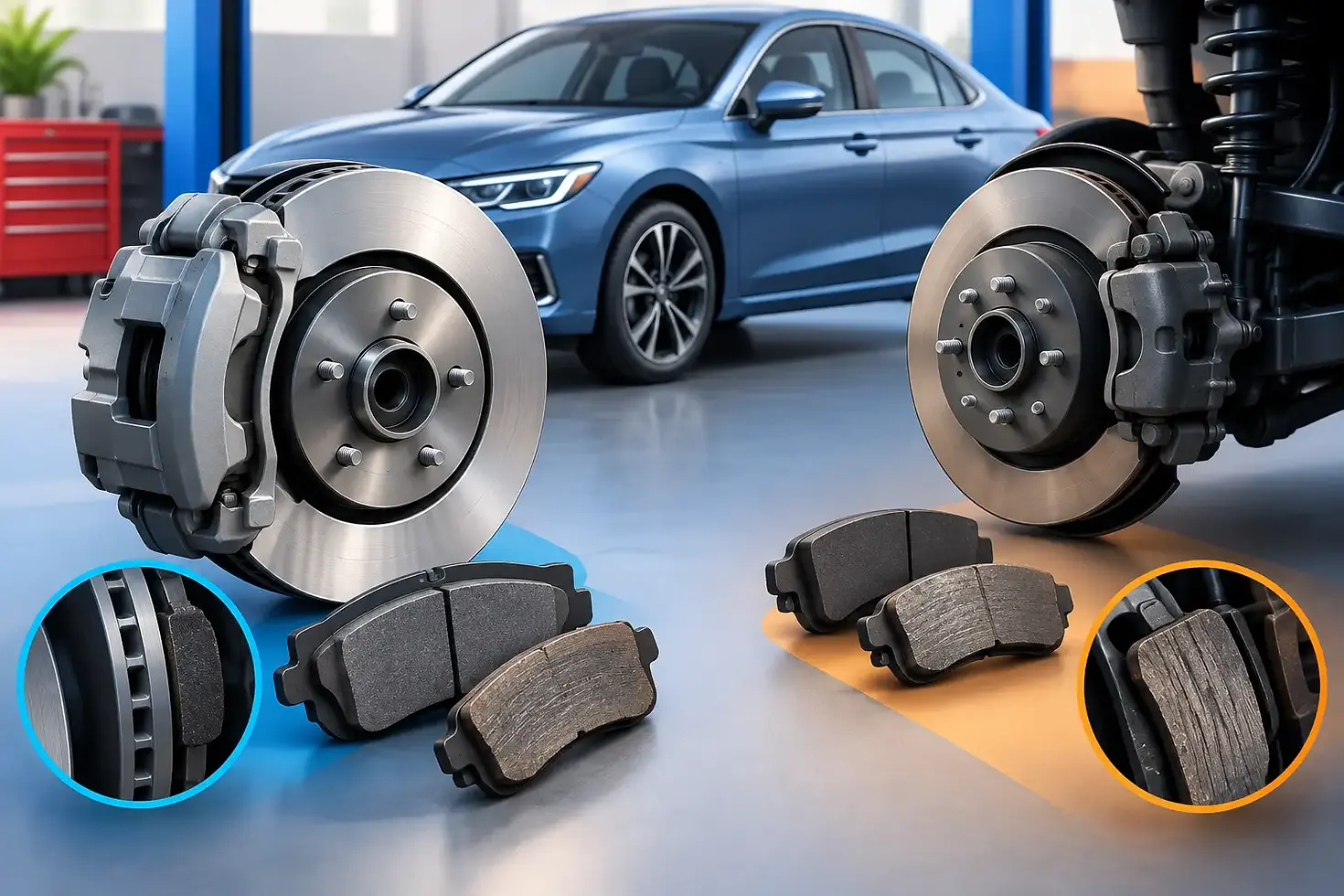
On most vehicles, front brake pads wear out faster than rear pads. When you brake, weight shifts toward the front of the vehicle. That puts more load on the front tires and asks the front brakes to do more of the stopping.
For many cars, front pads may wear out about twice as fast as rear pads. That is a common pattern, not a problem by itself. Exact timing depends on the vehicle, the quality of the brake parts, traffic conditions, road conditions, driving habits, and how much weight you carry.
A commuter who regularly deals with DFW stop-and-go traffic will usually wear pads faster than someone who drives mostly open highways. Towing, hauling work equipment, and carrying a full family in an SUV can also add heat and demand to the braking system.
Some vehicles use rear brakes more actively than drivers expect. Electronic brake distribution, traction control, stability control, and certain all-wheel-drive systems can apply braking force differently based on road conditions. Hybrid and electric vehicles may use regenerative braking to slow down, which can extend pad life, but it does not eliminate the need for brake inspections.
When Uneven Front Rear Brake Wear Is a Warning Sign
Different wear between the front and rear axle is usually expected. Uneven wear from side to side is what deserves closer attention. For example, if the left front pad is nearly worn out while the right front pad still has plenty of material, something may be preventing one brake from moving or releasing correctly.
A brake caliper can stick, a slide pin can seize, or brake hardware can bind from rust and road debris. A collapsed brake hose can sometimes hold pressure at one wheel after you release the pedal. These issues create friction and heat, wearing one pad much faster than the others.
Rear brakes can have their own concerns. Many vehicles use an integrated parking brake system in the rear. If the parking brake mechanism does not release fully, it may drag and wear rear pads or shoes early. On vehicles with rear drum brakes, worn or improperly adjusted components can also affect braking balance.
Do not assume uneven wear only means you need pads. Replacing pads without correcting the cause can lead to the same problem again, often sooner than expected. A proper brake inspection checks the complete system, including calipers, hardware, hoses, rotors, fluid condition, and brake operation at each wheel.
Signs Your Brakes Need Attention
Brake pads do not always give a clear warning before they are worn down. Some pads have wear indicators that create a high-pitched squeal, but not every vehicle makes that sound. Pay attention to changes in how the vehicle feels as well as what you hear.
Schedule a brake check if you notice any of the following:
Squealing, grinding, scraping, or metal-on-metal noises while braking
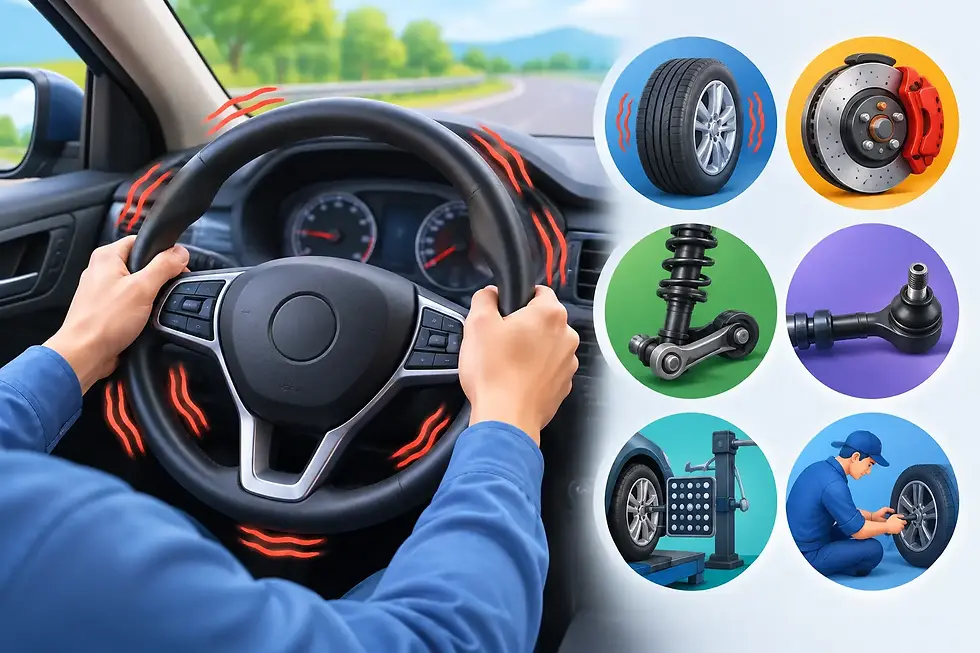
A steering wheel shake, brake pedal pulsation, or vibration during stops
Pulling to one side when braking or a vehicle that feels unstable under braking
A soft pedal, unusually hard pedal, longer stopping distance, or a brake warning light
A burning smell, excessive heat near one wheel, or a wheel that seems unusually dusty
Grinding should be treated as urgent. It may mean the brake pad friction material is gone and metal is contacting the rotor. Continuing to drive can cut deep grooves into the rotor and reduce braking performance. The repair may require pads, rotors, and additional parts instead of a standard pad replacement.
Brake Pad Wear Is Not the Whole Story
Pads are only one part of a brake repair. Rotors provide the surface the pads clamp against, and they need to be within manufacturer thickness specifications. Some rotors can be resurfaced when they have enough material and are otherwise in good condition. Others should be replaced due to thickness, heat damage, rust, cracking, or excessive runout.
Brake fluid also matters. It absorbs moisture over time, which can lower its boiling point and contribute to internal corrosion. Under heavy braking, old fluid may affect pedal feel and performance. Your vehicle's maintenance schedule provides guidance, but a technician can also evaluate the fluid's condition during service.
Brake hardware is another small item with a big job. Clips, shims, abutment hardware, and slide pins help pads move freely and quietly. Reusing damaged or corroded hardware can cause noise, uneven pad wear, or dragging brakes. Good brake work is not just putting new pads in the caliper and sending the car back on the road.
How Driving Habits Affect Brake Life
There is no honest one-size-fits-all mileage number for brake pads. One driver may need front pads at 30,000 miles, while another gets much more life out of the same type of vehicle. The goal is not to stretch brake pads as long as possible. The goal is safe, predictable stopping without damaging the rest of the system.
Leave more following distance when traffic is moving. That gives you time to slow down gradually instead of braking hard at the last second. On long downhill roads, use a lower gear when appropriate rather than riding the brakes. If you tow a trailer or haul heavy loads, ask for a brake inspection more often because heat is hard on pads, rotors, and fluid.
Avoid waiting for noise before scheduling service. Brake pads can wear unevenly without making a sound, especially if an inside pad is wearing faster than the outside pad. During a tire rotation, oil change, or routine maintenance visit, a visual brake check can help spot trouble before it affects your next stop.
What a Professional Brake Inspection Should Check
A thorough inspection starts with measuring remaining pad or shoe material at each wheel. The technician should compare inner and outer pad wear, inspect rotor condition, and look for leaks or damage. They should also check caliper movement and hardware condition rather than assuming all four corners are wearing evenly.
The inspection may include checking brake fluid, parking brake operation, flexible brake hoses, and the master cylinder area. If a vehicle pulls, shakes, or has a warning light, the technician may need to look beyond normal wear. Anti-lock brake system faults, wheel speed sensors, suspension wear, tire condition, and alignment problems can all affect how a vehicle behaves during braking.
At JD Garage Auto Repair & Tires, the right repair starts with identifying what is actually worn and why. Sometimes you need pads and rotors. Other times, a stuck caliper, damaged hose, or worn brake hardware is the part that needs attention. Clear answers help you make a repair decision based on safety and the condition of your vehicle, not guesswork.
When to Schedule Brake Service
If your brakes are quiet, responsive, and recently inspected, stay on schedule with your regular maintenance visits. If you hear grinding, feel a new vibration, notice a pull, or see a brake warning light, do not wait for your next oil change. Those symptoms deserve prompt attention.
For drivers balancing work, family, and a busy week, brake service should not create more stress than it already does. Ask about after-hours drop-off and pick-up if you need flexibility, and ask for an estimate that explains what is needed now versus what can be monitored.
Your brakes are there for the moments you cannot plan for: a sudden stop on Highway 183, a child crossing the street, or traffic slowing without warning. A quick inspection now can help make sure they respond when you need them most.


Comments