
A Guide to Brake Fluid Service for Safe Stops
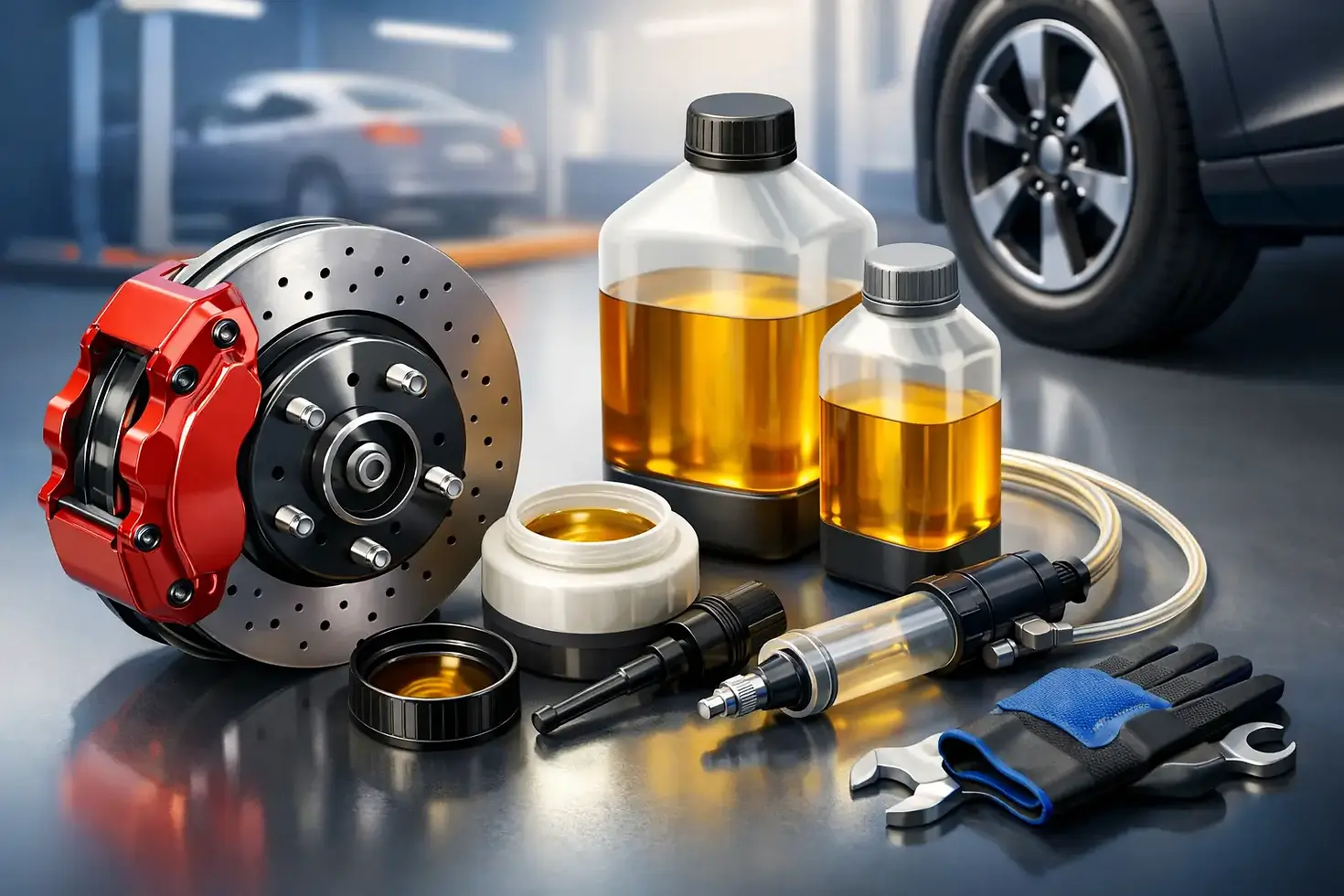
Your brake pads may get most of the attention, but brake fluid is what carries the force from your foot to the brakes at each wheel. This guide to brake fluid service explains why that small reservoir under the hood matters, when service is due, and what warning signs should not wait.
Brake fluid service is preventive maintenance. It helps protect the hydraulic brake system that lets your vehicle stop predictably in traffic, on wet roads, and during the quick stops that happen every day around Bedford and DFW.
What Brake Fluid Does
When you press the brake pedal, brake fluid transfers that pressure through brake lines to the calipers or wheel cylinders. Those components then apply the pads or shoes that create the friction needed to slow the vehicle.
For that system to work correctly, the fluid needs to stay clean and resist boiling under heat. It also needs to move freely through small passages in the master cylinder, brake lines, ABS system, and calipers. Old or contaminated fluid can compromise that job over time.
Brake fluid is not the same as motor oil, coolant, or power steering fluid. Using the wrong product can damage brake components. Your vehicle needs the brake fluid type specified by its manufacturer, commonly a DOT-rated fluid. A professional service verifies the correct specification before any fluid is added.
Why Brake Fluid Needs Service
Most conventional brake fluids absorb moisture from the air over time. The reservoir is sealed, but no brake system is completely isolated from moisture forever. Texas heat, temperature swings, and normal aging all add to the wear on the fluid.
As water content rises, the fluid's boiling point can drop. During repeated braking or heavy braking, overheated fluid can create vapor in the system. Unlike fluid, vapor compresses. That can leave you with a soft pedal and less reliable braking response when you need it most.
Moisture also encourages corrosion inside expensive parts of the braking system. The master cylinder, ABS hydraulic unit, metal lines, and calipers can all be affected. A brake fluid flush costs far less than waiting for internal corrosion to create a bigger repair.
Dark fluid alone does not always tell the whole story, but it is a reason to inspect the system. A technician can check fluid condition, look for leaks, and make sure the reservoir level and brake components are in proper shape.
Guide Brake Fluid Service: When Is It Due?
The best answer is in your owner's manual and maintenance schedule. Many vehicles call for brake fluid replacement around every two to three years, while others use a mileage interval or have different requirements. Some manufacturers do not list a fixed interval but still recommend inspection and replacement based on fluid condition.
If you do not know when the fluid was last changed, it is smart to have it checked at your next oil change, brake inspection, or scheduled maintenance visit. This is especially true for a used vehicle with incomplete service records.
Driving conditions matter, too. Stop-and-go commuting, frequent towing, mountain trips, delivery driving, and high-mileage use can put more heat into the brakes. Those drivers may need closer attention than a vehicle used mainly for short, light trips.
A brake fluid service is also a good idea when other brake work is being performed, such as replacing calipers, brake hoses, a master cylinder, or certain ABS components. The system may need to be opened and bled as part of that repair.
Signs You Should Schedule a Brake Check
A brake fluid flush is usually scheduled maintenance, not an emergency repair. However, certain symptoms call for a prompt inspection because they can point to a leak, worn brake parts, air in the system, or another safety concern.
Watch for a brake pedal that feels soft, spongy, unusually low, or changes feel during a stop. A brake warning light, an ABS light, visible fluid around a wheel, or a reservoir level that keeps dropping also needs attention. Never assume adding fluid solves the problem. Low fluid can be a clue that brake pads are worn or that the system has a leak.
If the vehicle pulls when braking, shakes through the steering wheel, makes grinding noises, or takes longer to stop, schedule a brake inspection. Those issues are not always caused by brake fluid, but they should be diagnosed before they become more serious.
If the brake pedal suddenly goes close to the floor, stopping power is reduced, or you see a red brake warning light while driving, pull over safely and arrange service. Brakes are not a system to put off until next week.
What Happens During Brake Fluid Service
A proper brake fluid service does more than remove fluid from the reservoir. The old fluid must be pushed out through the brake hydraulic system and replaced with the correct new fluid. The technician also bleeds the system so trapped air does not remain in the lines.
The exact procedure depends on the vehicle. Some cars require a particular bleeding sequence, and many modern vehicles with ABS need specialized equipment or scan-tool procedures. That is one reason a complete professional service is safer than simply topping off the reservoir at home.
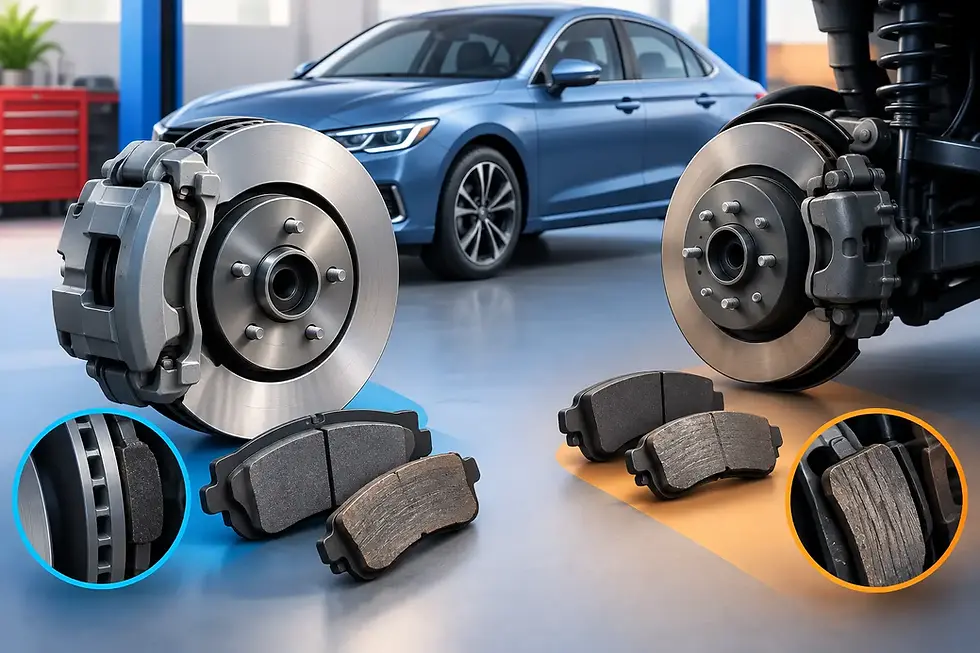
During the appointment, the brake system should also be checked for leaks, damaged hoses, worn pads, uneven rotor wear, and other concerns that affect safe stopping. If a problem is found, you should get a clear explanation of what needs attention now and what can be planned for later.
At JD Garage Auto Repair & Tires, a brake fluid service can be combined with a brake inspection so you have a better picture of the condition of the whole system, not just the fluid.
Brake Fluid Flush vs. Topping Off
These terms are often confused. Topping off means adding fluid to bring the level in the reservoir back to the proper mark. A flush or fluid replacement removes old fluid from the hydraulic system and replaces it with fresh fluid.
Topping off does not remove moisture or contamination already in the lines. More importantly, a low fluid level should be investigated. As brake pads wear, fluid level can drop gradually. A leak can also cause a drop, and a leak requires repair, not just more fluid.
Opening the brake fluid reservoir unnecessarily can expose the fluid to moisture. Keep the cap clean and tight, and do not mix fluid types unless the vehicle manufacturer specifically allows it.
What Affects Brake Fluid Service Cost?
The cost depends on the vehicle, the fluid specification, the amount of fluid required, and the condition of the brake system. A straightforward maintenance flush is generally simpler than a service involving seized bleeder screws, corroded lines, a leak, or an ABS-related repair.
The lowest price is not always the best value if the service only removes fluid from the reservoir. Ask whether the fluid is being replaced throughout the hydraulic system and whether the brakes will be inspected for leaks and wear. Clear answers help you know what you are paying for.
If additional repairs are needed, a good shop will explain the safety issue, provide an estimate, and help you prioritize the work. For drivers managing an unexpected repair, financing options and warranty coverage may also be worth discussing.
Keep Your Brakes Ready for the Road
Brake fluid is easy to overlook because you do not see it every time you drive. But it works every time you press the pedal. Following your manufacturer's schedule, paying attention to pedal changes, and having the system inspected when something feels off can help prevent a small maintenance item from turning into a larger brake repair.
When it is time for brake fluid service, choose a shop that checks the complete system and uses the right fluid for your vehicle. Safe, dependable stops are worth protecting.



Comments