
Ceramic Versus Metallic Brake Pads Compared
Your brake pads do not need to be the most expensive option on the shelf. They need to stop your vehicle safely, fit your driving habits, and work with your brake system. When comparing ceramic versus metallic brake pads, the right answer often comes down to how you drive, what you drive, and what matters most to you: quiet operation, towing strength, low dust, or upfront cost.
For most daily drivers around Bedford and the DFW area, either type can be a solid choice when it is correctly matched to the vehicle and installed with quality rotors and hardware. Here is what separates them.
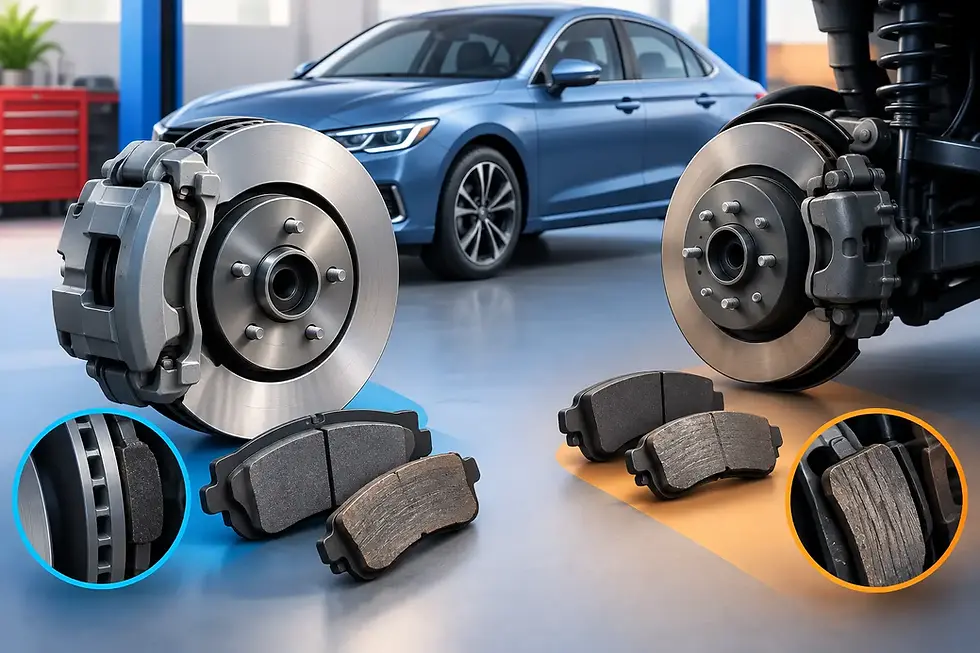
Ceramic Versus Metallic Brake Pads: The Main Difference
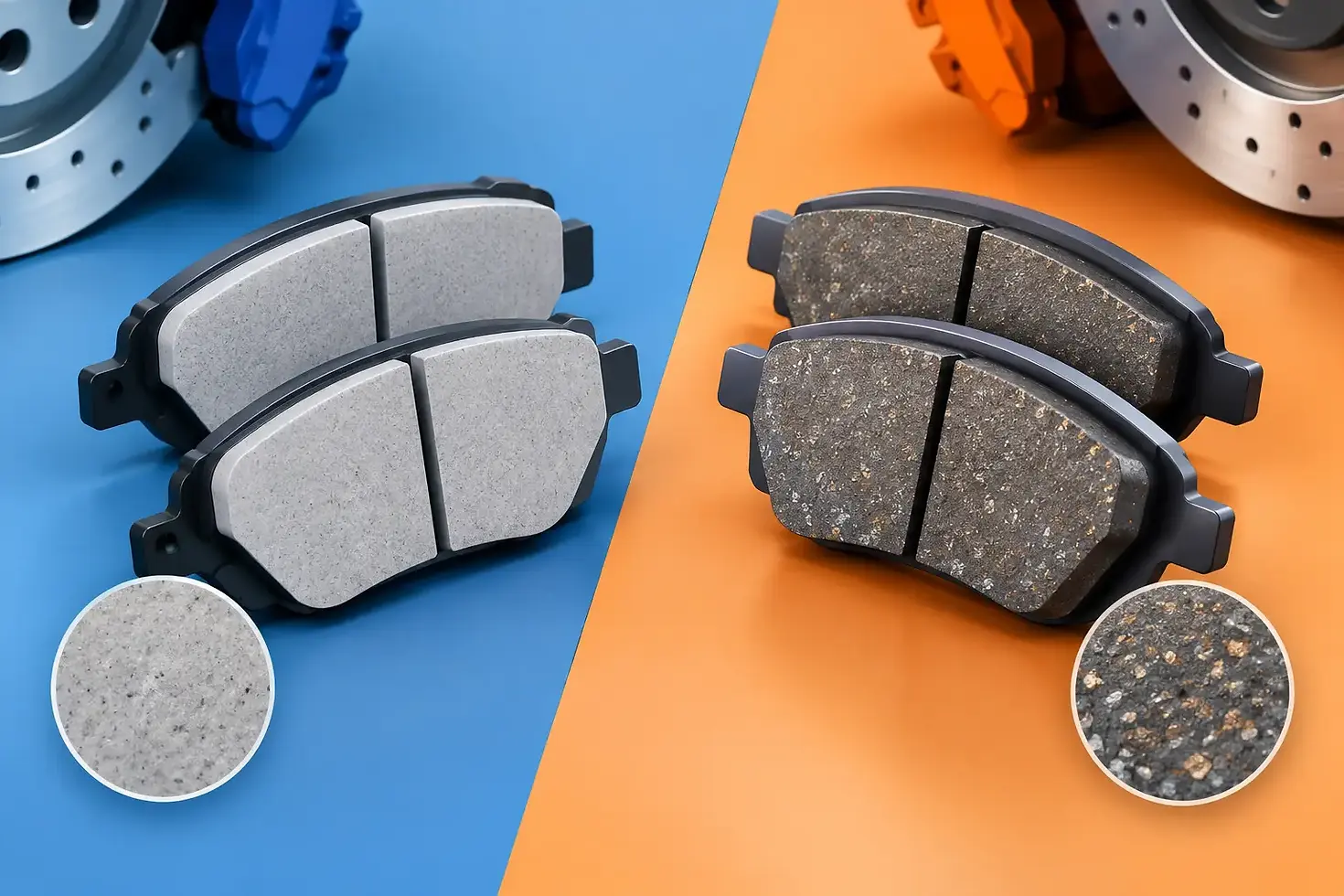
Ceramic brake pads use a dense ceramic compound mixed with small amounts of copper or other materials. They are designed to provide smooth, quiet braking with less visible brake dust. You will commonly find them on many sedans, crossovers, and passenger vehicles where comfort and clean wheels matter.
Metallic brake pads, often called semi-metallic pads, contain metal fibers or particles blended with friction material. They are built to move heat away from the brake system and maintain strong stopping performance under heavier use. They are common on trucks, SUVs, performance vehicles, and vehicles that carry or tow heavier loads.
Neither pad type is automatically better across the board. A ceramic pad may be the better fit for a commuter car, while a semi-metallic pad may make more sense for a work truck that sees Texas heat, highway miles, and a loaded trailer.
Ceramic Brake Pads: Quiet and Clean for Daily Driving
Ceramic pads are popular because they usually make less noise than metallic pads. They also produce finer, lighter-colored dust that is less noticeable on wheels. If you are tired of dark brake dust building up on your rims shortly after a wash, ceramic pads can be appealing.
They tend to provide a smooth pedal feel and consistent braking in normal city and highway driving. For a family sedan, minivan, compact SUV, or commuter vehicle, that is often exactly what a driver wants.
Ceramic pads can also be easier on brake rotors in many normal driving situations. That does not mean rotors never wear out, but a properly selected ceramic pad may help reduce aggressive rotor wear compared with some metallic compounds.
The trade-off is heat. Ceramic pads handle everyday braking well, but they may not be the best choice for repeated hard stops, heavy towing, steep grades, or demanding commercial use. They can also cost more upfront than basic semi-metallic options.
Ceramic pads may be right for you if:
You mainly drive to work, school, errands, and appointments; want a quieter ride; prefer cleaner-looking wheels; and do not regularly tow or haul heavy loads. They are often a practical upgrade for drivers who value comfort and low maintenance mess.
Metallic Brake Pads: Built for Heat and Heavy Use
Semi-metallic brake pads are known for dependable stopping power in demanding conditions. Because metal conducts heat well, these pads can shed heat more effectively during hard braking. That matters when your vehicle is loaded down, traveling through stop-and-go traffic, descending hills, or pulling a trailer.
For many trucks and larger SUVs, semi-metallic pads are a smart fit. They can provide a firm, confident braking response and hold up well under higher temperatures. Drivers who use their vehicles for work, towing, hauling equipment, or frequent highway travel may benefit from that extra heat resistance.
The downside is that metallic pads are often noisier. A light squeak, especially in cold or damp weather, can be more common. They may also produce darker brake dust and can be harder on rotors depending on the pad material, rotor quality, and driving conditions.
Noise alone does not mean your brakes are failing. But grinding, a harsh scraping sound, vibration through the pedal, a pulling sensation, or a brake warning light should be inspected right away.
Metallic pads may be right for you if:
You drive a truck or heavy SUV, tow a boat or trailer, haul work equipment, drive aggressively, or regularly put your brakes through tougher conditions. In those cases, stronger heat handling may be more valuable than a quieter stop.
What About Stopping Distance?
Many drivers assume metallic pads always stop faster. The real answer is more complicated. Stopping distance depends on the complete braking system, tire condition, road surface, vehicle weight, brake fluid, rotors, suspension condition, and how much grip your tires have.
A quality ceramic pad on the right vehicle can stop very well. A quality semi-metallic pad can also stop very well. The difference shows up more clearly when brakes get hot from repeated use. Metallic pads may keep their performance more consistently under heavy loads and higher temperatures.
That is why pad selection should not be based on one feature alone. Installing an aggressive metallic pad on a light commuter car does not automatically make it safer. It may simply add noise and dust without providing a meaningful benefit for the way the vehicle is used.
Brake Dust, Noise, and Wheel Care
If clean wheels are a priority, ceramic pads usually win. Their dust is generally lighter and less likely to stick to wheel surfaces. You will still need to clean your wheels, especially after rain and road grime, but you may notice less dark buildup.
If quiet braking is your priority, ceramic pads also have an advantage. Proper installation matters here. Even a quality pad can squeal if the shims, clips, lubricant, caliper hardware, or rotor surface are neglected. A brake job is more than replacing the pads. The technician should inspect the calipers, rotors, hoses, hardware, and brake fluid condition so the system can work as it should.
Semi-metallic pads can be louder and dustier, but that does not make them poor-quality pads. It is simply part of the trade-off for a material designed to perform under greater heat and load.
Cost: Look Beyond the Pad Price
Ceramic pads often cost more than semi-metallic pads at the start. However, the lowest pad price is not always the lowest-cost brake repair. Cheap pads can wear unevenly, make noise, generate excessive dust, or perform poorly. They may also create problems that lead to another brake visit sooner than expected.
A good brake repair considers the condition of the full system. Rotors may need resurfacing or replacement. Caliper slides may need cleaning and lubrication. Worn hardware should be replaced. If a caliper is sticking, replacing pads alone will not fix the cause of uneven wear.
At JD Garage Auto Repair & Tires, the goal is to recommend brake parts that make sense for your vehicle and your driving needs, not sell you a pad type you do not need. If cost is a concern, ask about repair options and available financing before putting off a safety repair.
When Should Brake Pads Be Replaced?
Do not wait for grinding. That sound can mean the pad material is gone and metal is contacting the rotor. At that point, a job that might have needed pads and a basic inspection can turn into pads, rotors, and possibly additional brake repairs.
Have your brakes checked if you hear squealing that does not go away, feel vibration when braking, notice a soft pedal, smell something burning near a wheel, see uneven pad wear, or find that your vehicle pulls to one side. Brake inspections are also a good idea before a long road trip, before towing, and during regular maintenance visits.
Brake pad life varies widely. Some drivers may get 30,000 miles, while others may get much more or less. City traffic, driving habits, vehicle weight, towing, and pad material all affect wear. Mileage is a guide, not a guarantee.
Choose the Pad That Fits Your Vehicle
Ceramic versus metallic brake pads is not a contest with one winner. Ceramic pads are often the better choice for quiet, clean, everyday driving. Semi-metallic pads are often the better choice for heat, weight, towing, and tougher use.
If you are unsure what is currently on your vehicle or why your brakes are making noise, get the system inspected before choosing parts. A quick check can identify worn pads, damaged rotors, sticking calipers, or hardware issues before they become a bigger repair. Safe brakes make every trip less stressful, whether you are commuting across DFW or loading up for the weekend.


Comments