
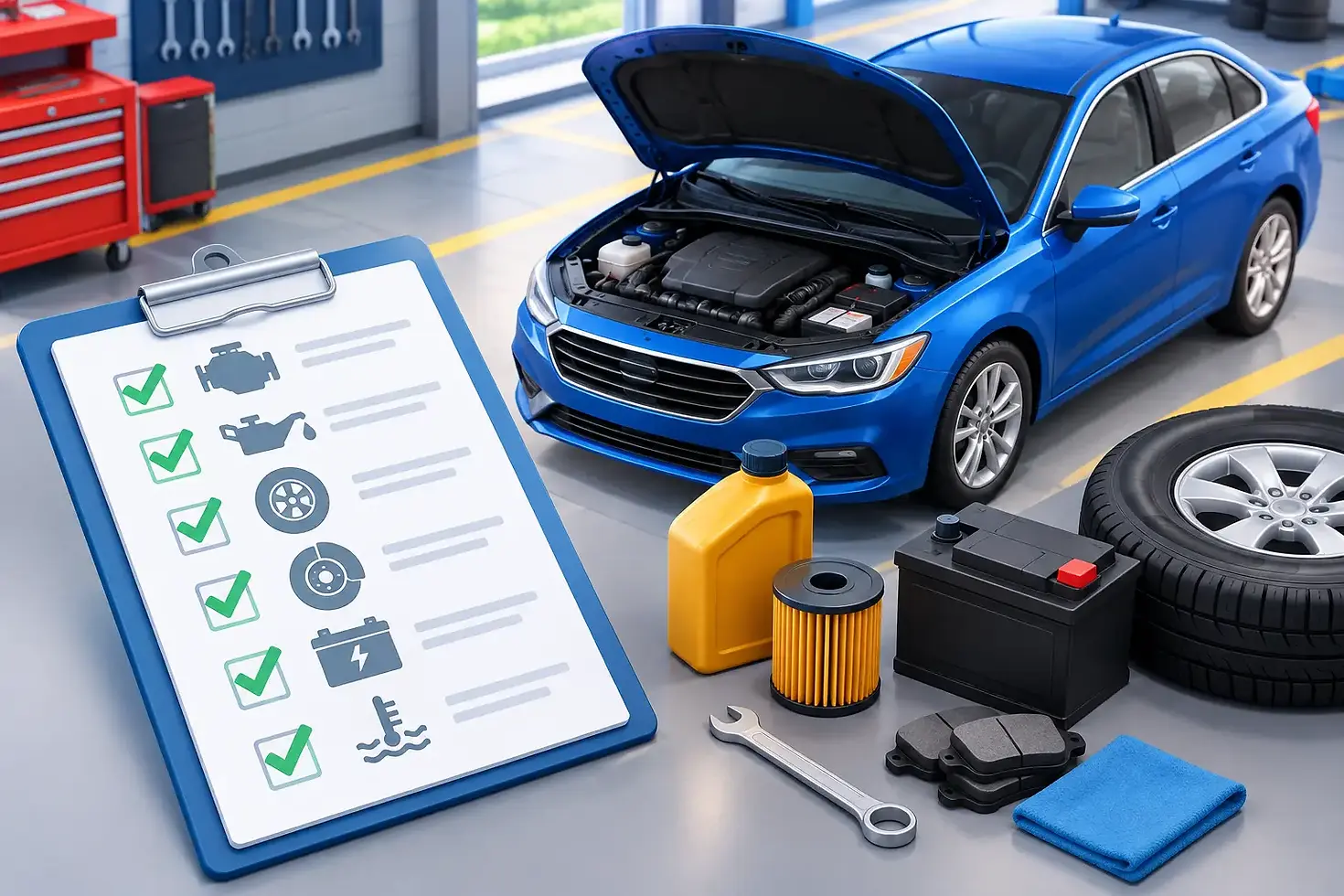
Preventive Maintenance Checklist for Your Car
A warning light on the way to work, a dead battery in a parking lot, or brakes that start grinding rarely happen at a convenient time. A preventive maintenance checklist gives you a simple way to stay ahead of those problems before they turn into missed work, canceled plans, or a bigger repair bill.
You do not need to be a mechanic to keep track of basic vehicle care. You do need to pay attention to mileage, time, warning signs, and how your car feels on the road. Regular service protects the parts you rely on every day and helps catch small issues while they are usually easier to repair.
Start With Your Owner's Manual
Your vehicle's maintenance schedule is the starting point. Different makes, models, engines, and driving habits need different service intervals. The right oil type, coolant specification, transmission service interval, and spark plug schedule can vary widely from one vehicle to the next.
Use the manual as your baseline, then adjust for real-world driving. Stop-and-go DFW traffic, short trips, extreme Texas heat, towing, dusty roads, and frequent idling can all be considered severe driving conditions. That often means your vehicle may need attention sooner than the longest interval listed in a brochure.
If you bought a used vehicle and do not have complete records, it is smart to establish a starting point. A professional inspection can identify what has been maintained, what needs attention now, and what can be planned for later.
Preventive Maintenance Checklist: Monthly Basics
A quick monthly walk-around can catch issues before they strand you or create an unsafe driving situation. It takes only a few minutes and is especially worthwhile before a road trip or a busy week of commuting.
Check these items:
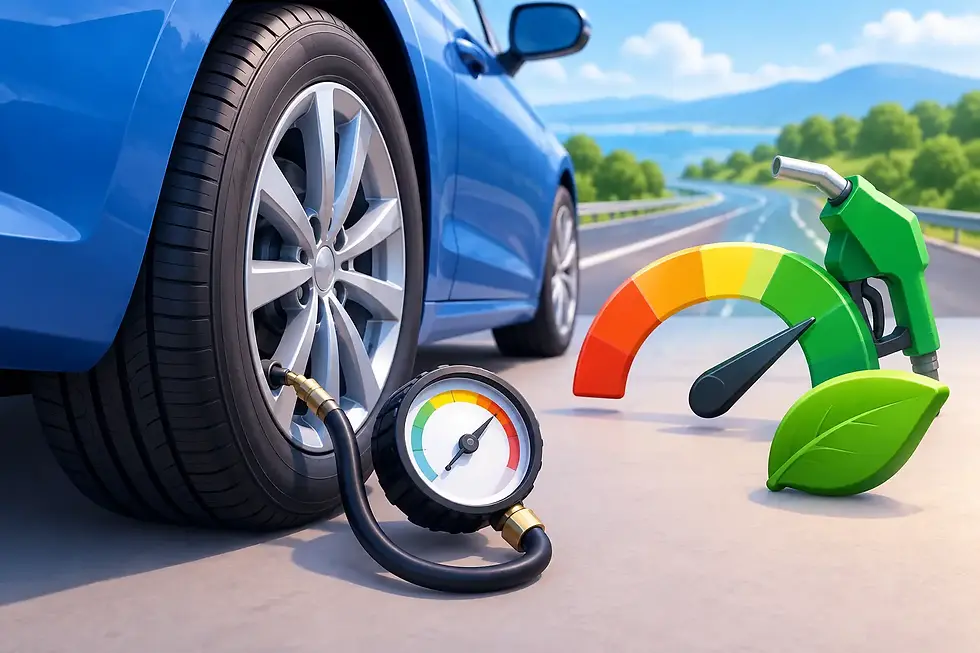
Tire pressure and tire condition: Check pressure when the tires are cold and use the pressure listed on the driver's door placard, not the maximum number molded on the tire. Look for uneven wear, cracks, nails, low tread, or a tire that keeps losing air.
Engine oil level: Park on level ground, follow your owner's manual instructions, and make sure the level is within the safe range. Low oil can damage an engine, while a sudden drop may point to a leak or oil consumption issue.
Exterior lights: Test headlights, brake lights, turn signals, reverse lights, and license plate lights. A burned-out bulb is easy to overlook and can become a safety or inspection problem.
Windshield wipers and washer fluid: If wipers streak, chatter, or leave areas uncleared, replace them. Clear visibility matters during sudden rain and early-morning glare.
Leaks and unusual smells: Look under the vehicle for fresh fluid spots. Pay attention to fuel smells, sweet coolant smells, burning oil, or a sulfur-like odor that may be related to the battery or exhaust system.
These checks do not replace a shop visit, but they help you notice changes early. A new vibration, squeal, pull to one side, or dashboard message deserves attention even if your next scheduled service is still weeks away.
Every Oil Change: More Than Fresh Oil
Oil changes are one of the best opportunities to check the condition of the rest of your vehicle. The correct interval depends on the oil your engine requires and how you drive. Some newer vehicles can go longer between oil changes, while frequent short trips, heavy traffic, or high-mileage engines may call for more frequent service.
At each oil service, have the technician inspect fluid levels, tire condition, brake wear, belts, hoses, battery condition, and visible leaks. Tire rotation is often due around this time as well, depending on the tire manufacturer and vehicle setup. Rotating tires on schedule can help them wear more evenly and last longer.
Do not assume that adding oil is the same as solving the problem. If the oil level repeatedly drops, ask for an inspection. The cause could be a leak, a worn gasket, or an engine that is using oil internally.
Service Items That Follow Mileage and Time
Some maintenance jobs are based mainly on mileage. Others are based on age because fluids, rubber parts, and batteries can deteriorate even when a car is not driven much. Your preventive maintenance plan should cover both.
Tires, Alignment, and Suspension
Tires affect braking, fuel economy, steering control, and ride quality. Have them rotated as recommended, and replace them when tread is worn or damage cannot be safely repaired. If the vehicle drifts, the steering wheel sits off-center, or tires wear more on one edge, ask for an alignment and suspension inspection.
An alignment is not a routine replacement item with one universal interval. It is needed when the vehicle shows signs of being out of alignment or after a hard pothole hit, curb strike, or suspension repair. Worn shocks, struts, steering components, or ball joints can also cause uneven tire wear, so alignment alone is not always the answer.
Brakes
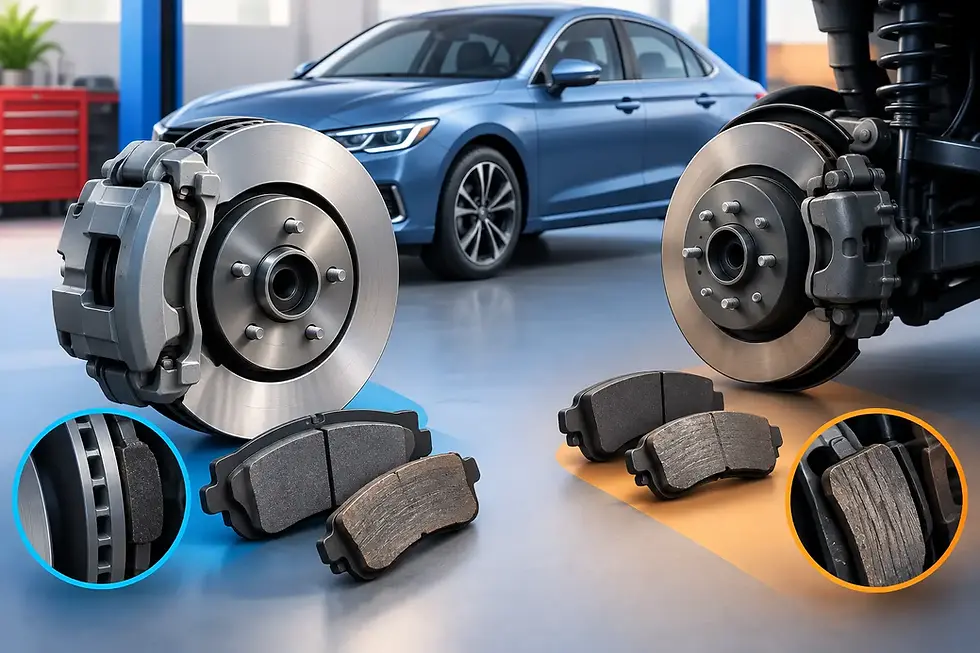
Brake pads and rotors wear at different rates based on driving conditions and vehicle weight. Do not wait for a grinding sound. Have the brakes checked if you hear squealing, feel pulsing through the brake pedal, notice longer stopping distance, see a brake warning light, or feel the car pull while braking.
Brake fluid may also need service according to the manufacturer schedule or its condition. Moisture can build up in brake fluid over time, which can reduce performance and contribute to internal corrosion. This is one service where the right recommendation matters more than a one-size-fits-all timeline.
Fluids, Filters, and Spark Plugs
Engine coolant, transmission fluid, differential fluid, transfer case fluid, and power steering fluid all have different service needs. Some systems are sealed, but sealed does not always mean maintenance-free. The correct fluid type and service method matter, especially for transmissions.
Air filters, cabin air filters, fuel filters where applicable, and spark plugs should be replaced on the schedule for your vehicle or when inspection shows they are due. A dirty engine air filter can affect performance, while a clogged cabin filter can reduce airflow from the heat and air conditioning system. Worn spark plugs can cause rough running, misfires, and reduced fuel economy.
Battery, Cooling, and Air Conditioning
Texas heat is hard on batteries. Have the battery and charging system tested if the engine cranks slowly, electronics act strange, or the battery is more than a few years old. Clean, tight battery terminals also help prevent no-start issues.
The cooling system deserves attention before summer temperatures arrive. Low coolant, leaks, a weak radiator cap, a failing thermostat, or a worn hose can lead to overheating. If the temperature gauge rises, steam appears, or the heater suddenly blows cold while the engine runs hot, pull over safely and have the vehicle checked. Do not keep driving an overheating engine.
Air conditioning is not just a comfort issue in North Texas. Weak airflow, warm air, unusual noises, or a bad odor from the vents should be checked before the hottest months. The cause may be as simple as a cabin filter or as involved as a refrigerant leak or electrical issue.
Plan for Major Mileage Milestones
The 30,000-, 60,000-, and 90,000-mile marks are good times for a broader review. What is actually due depends on the vehicle, but these appointments are useful for looking beyond oil and tires. A technician can review fluid services, tune-up needs, belts, hoses, brake condition, suspension wear, battery health, and any trouble codes stored in the vehicle's computer.
This is also the time to discuss repairs you have been putting off. A small oil seep, worn tire edge, occasional check engine light, or weak battery may not stop the car today. Left alone, each can become more expensive or create a safety concern. The goal is not to replace parts just because of mileage. It is to make informed decisions based on the manufacturer's schedule, inspection results, and how you use the vehicle.
Do Not Ignore These Warning Signs
A checklist works best when you combine it with common sense. Schedule service promptly if you notice a flashing check engine light, brake warning light, overheating, a strong fuel smell, grinding brakes, a new knocking noise, major vibration, or fluid leaking onto the ground.
A steady check engine light is not always an emergency, but it still needs diagnosis. It can be caused by something minor, such as a loose fuel cap, or something that affects engine performance and emissions. Guessing and replacing parts at random usually costs more than proper testing.
Keep a Record That Works for You
Save invoices and note the date, mileage, and work completed. A paper folder in the glove box works fine, and a phone note works too. Good records make it easier to know what is due, support resale value, and avoid paying twice for the same service.
For Bedford and DFW drivers, a dependable maintenance plan should fit real life. If your schedule is packed, ask about after-hours drop-off and pick-up when booking service. JD Garage Auto Repair & Tires can help you build a practical maintenance plan around your vehicle, mileage, and budget, without pushing work that is not needed.
Your car does not need perfect conditions to stay reliable. It needs timely attention, honest inspection, and action before a small concern turns into a roadside problem. Keep this checklist handy, listen to what your vehicle is telling you, and give yourself a better chance of getting where you need to go without surprises.



Comments