

Auto Maintenance That Keeps You Road-Ready
A skipped oil change rarely feels urgent - until an engine starts running rough, a warning light comes on, or a small repair turns into a bigger bill. Regular auto maintenance gives your vehicle the attention it needs before everyday driving, Texas heat, traffic, and long commutes take their toll.
For Bedford and DFW drivers, staying on schedule is one of the simplest ways to protect your vehicle, your time, and your budget. The goal is not to replace parts for no reason. It is to inspect the systems that wear out, service fluids before they break down, and catch concerns while they are still manageable.
What Auto Maintenance Should Cover
Good maintenance is more than an oil change sticker on the windshield. Your vehicle has fluids, filters, tires, brakes, belts, hoses, electrical components, and safety systems that all need attention at different times. The right schedule depends on your vehicle’s make, model, mileage, age, and how you drive it.
Start with your owner’s manual. It provides the manufacturer’s recommended intervals, but real-world driving matters too. Frequent stop-and-go traffic, short trips, extreme heat, towing, rough roads, and long commutes can all mean certain services are needed sooner.
An experienced shop should look at the full condition of your vehicle rather than push a one-size-fits-all package. If a component is still in good shape, you should know that. If something needs attention soon, you should understand why and what can happen if it is delayed.
Oil and Filter Changes
Fresh oil protects moving engine parts, helps control heat, and keeps contaminants from building up inside the engine. Waiting too long can lead to poor performance, sludge, excess wear, and expensive engine trouble.
The old rule of changing oil every 3,000 miles does not apply to every vehicle anymore. Many newer vehicles using synthetic oil can go longer, but the correct interval is based on the manufacturer’s recommendation and your driving habits. If you are unsure, ask a technician to check your oil condition and maintenance history.
Tires, Alignment, and Rotation
Your tires are the only part of the vehicle touching the road. Uneven wear, low tread, improper air pressure, or an alignment issue can affect braking, fuel economy, ride comfort, and steering control.
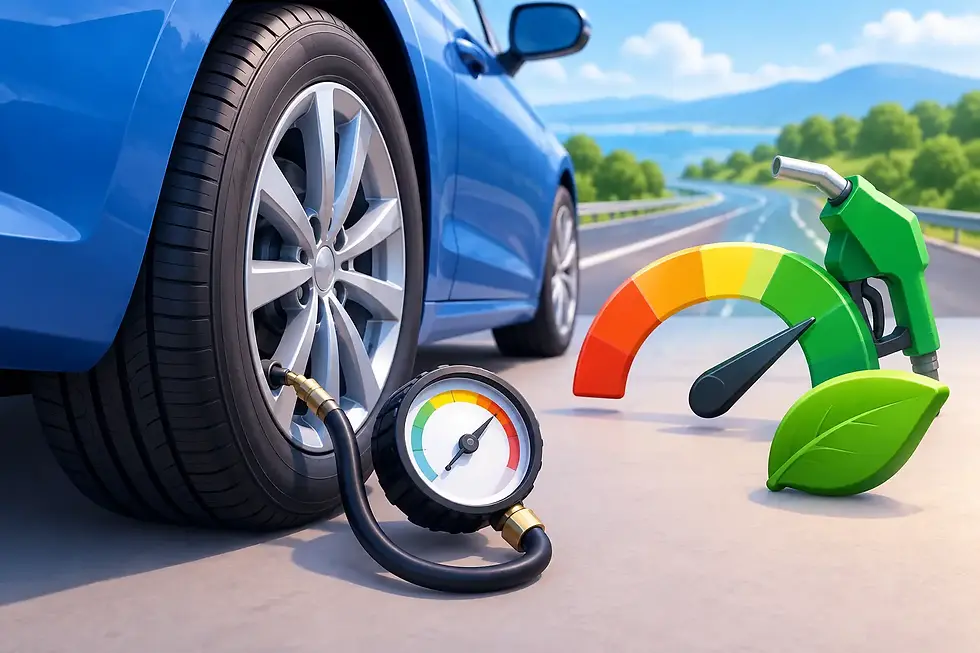
Check tire pressure at least once a month and before a road trip. Tire pressure changes with temperature, and a warning light should not be ignored. Rotating tires regularly helps them wear more evenly, while an alignment can help if your vehicle pulls to one side, the steering wheel sits off-center, or the tread is wearing unevenly.
A vibration at highway speed may be as simple as wheel balancing, but it can also point to a tire, suspension, or steering concern. It is worth having checked instead of hoping it goes away.
Brake Inspections
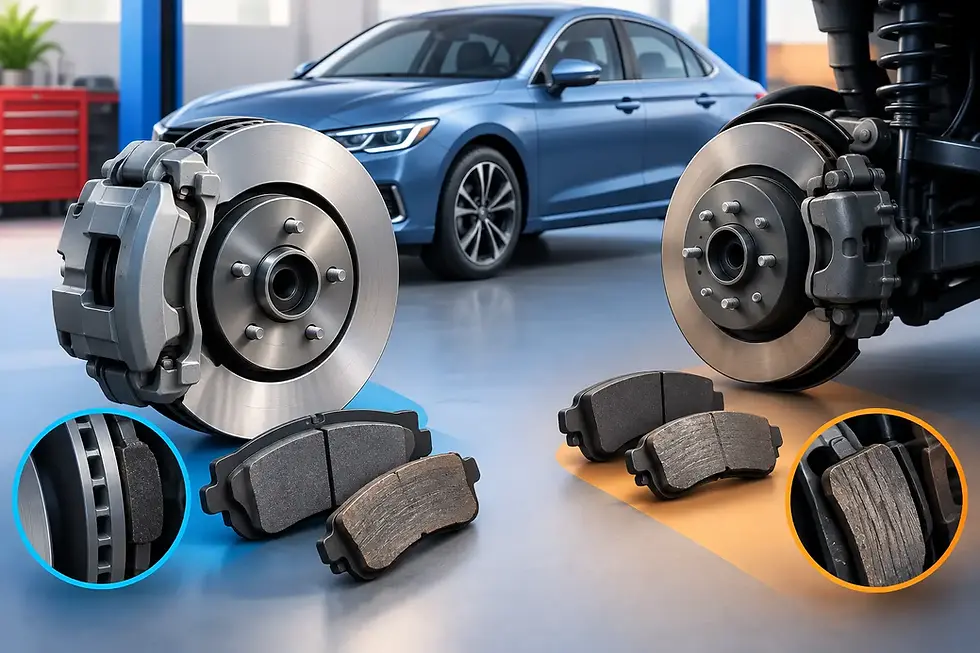
Brake problems are not always dramatic. Squealing, grinding, a soft brake pedal, vibration when stopping, or a vehicle that pulls during braking are all signs to schedule an inspection. Even without symptoms, brake pads, rotors, brake fluid, and related components should be checked during regular service.
Replacing worn pads early is usually more affordable than waiting until they damage rotors or other brake parts. More importantly, dependable brakes are not something to put off for another paycheck or another month.
Fluids, Filters, and Cooling Service
Your engine oil is only one of several fluids your vehicle needs. Brake fluid, coolant, transmission fluid, power steering fluid on applicable vehicles, and differential fluid all have a job to do. Over time, fluids can break down, become contaminated, or fall below the proper level.
Texas heat puts extra pressure on cooling systems. A coolant leak, weak hose, worn thermostat, or failing water pump can quickly lead to overheating. If you notice a sweet smell, steam, a rising temperature gauge, or coolant under the vehicle, bring it in promptly.
Air filters and cabin filters are also easy to overlook. A dirty engine air filter can affect performance, while a clogged cabin filter can reduce airflow from your air conditioning and heating system. These are small services that can make a noticeable difference.
Mileage Milestones Matter
Many vehicles need more than basic service as mileage climbs. The 30,000-, 60,000-, and 90,000-mile marks are common times to inspect and service items that may not be checked during a quick oil change.
Depending on your vehicle, that may include spark plugs, drive belts, transmission service, coolant service, brake fluid, fuel system service, and a more complete inspection of suspension and steering parts. Not every vehicle needs every service at the same mileage. A proper recommendation should match your manufacturer’s schedule and the condition of the vehicle.
Keeping service records helps here. If you bought a used vehicle and do not know what has been done, a thorough inspection can help create a practical maintenance plan. You do not have to do everything at once if it is not all urgent. A good shop can help you prioritize safety-related repairs first and plan ahead for the rest.
Do Not Ignore These Warning Signs
Routine service prevents many problems, but your vehicle will sometimes tell you it needs help between appointments. A check engine light, battery warning light, overheating, hard starting, strange odors, fluid leaks, or a sudden change in fuel economy all deserve attention.
Pay attention to new noises too. Clicking while turning may point to a CV axle issue. Clunking over bumps can involve steering or suspension components. A loud exhaust may be more than an annoyance, and weak air conditioning can be especially miserable during a North Texas summer.
The check engine light does not automatically mean a major repair. It can be caused by something as simple as a loose gas cap, but it can also signal a misfire, sensor issue, emissions problem, or engine concern. A diagnostic test identifies the trouble code, but a proper diagnosis determines what is actually causing it.
If the check engine light is flashing, the engine is overheating, the oil pressure light comes on, or the brakes do not feel right, stop driving when it is safe to do so. Continuing to drive can turn a repairable issue into serious damage.
Make Maintenance Easier to Keep Up With
The best maintenance plan is one you can realistically follow. Put service reminders on your phone, keep records in your glove box or digitally, and schedule visits before a long trip rather than after a problem develops.
You can also make a habit of quick walk-around checks. Look for low tires, leaks under the vehicle, damaged wiper blades, dim lights, and anything unusual in the driveway. These checks take only a few minutes and may save you from being stranded later.
Budget matters, too. Preventive maintenance can feel like an expense when the vehicle is running fine, but it is often less costly than emergency repairs, towing, missed work, or a rental car. If a repair catches you off guard, ask about available payment options, warranty coverage, or insurance-related repairs before assuming you have no choices.
At JD Garage Auto Repair & Tires, drivers can handle routine maintenance, tires, inspections, diagnostics, and repairs in one place. After-hours drop-off and pick-up options can also make it easier to get service without rearranging your whole day.
Your vehicle does not need guesswork. If it is due for service, making a new noise, or simply has not been inspected in a while, bring it in and get a clear picture of what it needs now and what can wait.



Comments