

How to Tell Brakes Are Worn Before They Fail
That high-pitched squeal at a stoplight is easy to ignore when you are headed to work, picking up kids, or trying to get across DFW traffic. But knowing how to tell brakes are worn can keep a routine brake job from turning into damaged rotors, longer stopping distances, and a real safety problem.
Your brakes do not always fail all at once. Most vehicles give you warning signs first. The key is paying attention to changes in sound, feel, and stopping performance, then having the system checked before metal starts grinding on metal.
How to Tell Brakes Are Worn While You Drive
The most common sign is a squealing or chirping sound when you apply the brakes. Many brake pads have a small wear indicator designed to make noise when the friction material is getting low. It is a built-in reminder that the pads need attention soon.
A squeal is not always worn pads. Moisture, overnight rust on the rotors, dust, or certain pad materials can make brief noise, especially after a vehicle has been sitting. If the sound disappears after a few normal stops and does not return, it may not be urgent. If it happens regularly, gets louder, or is paired with a change in braking feel, schedule an inspection.
Grinding is more serious. A harsh metal-on-metal grinding sound can mean the brake pad material is gone and the backing plate is contacting the rotor. At that point, the vehicle may need pads and rotors instead of pads alone. Continuing to drive can increase repair cost and reduce your ability to stop safely.
Pay attention to the brake pedal, too. A pedal that feels soft, spongy, sinks farther than usual, or requires pumping should be checked right away. Worn pads can contribute to a lower pedal, but soft braking can also point to low brake fluid, air in the lines, a leak, or a hydraulic issue. Those problems are not something to put off.
If the pedal feels unusually hard or the vehicle takes more effort to stop, the concern may be the brake booster or another part of the braking system. Either way, a brake pedal that suddenly feels different deserves a professional diagnosis.
Vibration, Pulling, and Other Brake Wear Signs
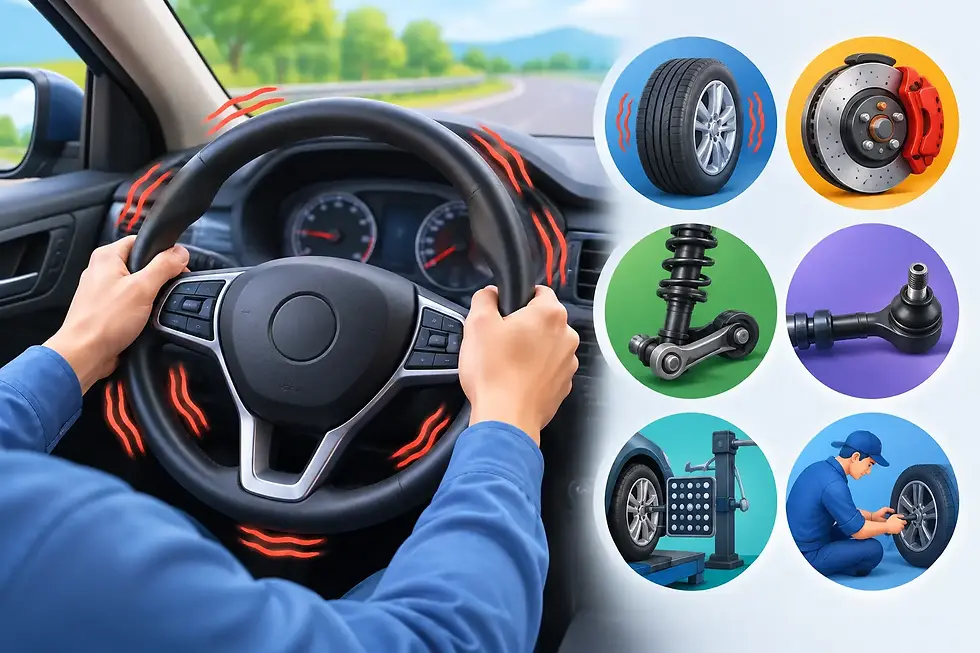
A steering wheel shake or brake pedal pulsation during braking often points to a rotor issue. Drivers sometimes call this "warped rotors," but the cause can vary. Rotor thickness variation, uneven pad deposits, heat damage, or worn suspension parts can all contribute to vibration.
The important part is when it happens. If the shake is mainly noticeable while braking, have the brakes inspected. If it happens all the time at highway speed, the issue may instead involve tires, wheels, balance, alignment, or suspension. A proper inspection separates those problems instead of replacing parts based on a guess.
A vehicle that pulls to one side when you brake also needs attention. Uneven brake pad wear, a sticking caliper, a restricted brake hose, tire condition, alignment, or suspension wear may be involved. Do not assume a pull is just an alignment problem, especially if it starts when you press the brake pedal.
You may also notice a burning smell after heavy braking, such as coming down a steep grade or driving in stop-and-go traffic. A hot brake smell can happen after unusually hard use, but it should fade quickly. If the smell remains, smoke appears near a wheel, or one wheel feels much hotter than the others, safely pull over and have the vehicle inspected. A sticking caliper can overheat the brakes and damage more than just the pads.
Warning Lights Matter, but They Do Not Tell the Whole Story
Some vehicles have a brake pad wear warning light. Others use a brake warning light for issues such as low fluid, a parking brake that is still engaged, or a problem in the hydraulic system. ABS lights indicate a fault with the anti-lock brake system, which helps prevent wheel lockup in hard stops.
Do not wait for a dashboard light before checking worn brakes. Many vehicles do not have pad sensors, and pads can be nearly worn out with no warning light at all. Likewise, a brake warning light does not automatically mean you need new pads. It means the system needs attention.
If the red brake warning light comes on while driving, the pedal feels abnormal, or braking performance changes, treat it as urgent. Pull over when it is safe, avoid driving farther than necessary, and arrange for service.
Can You See Worn Brake Pads Yourself?
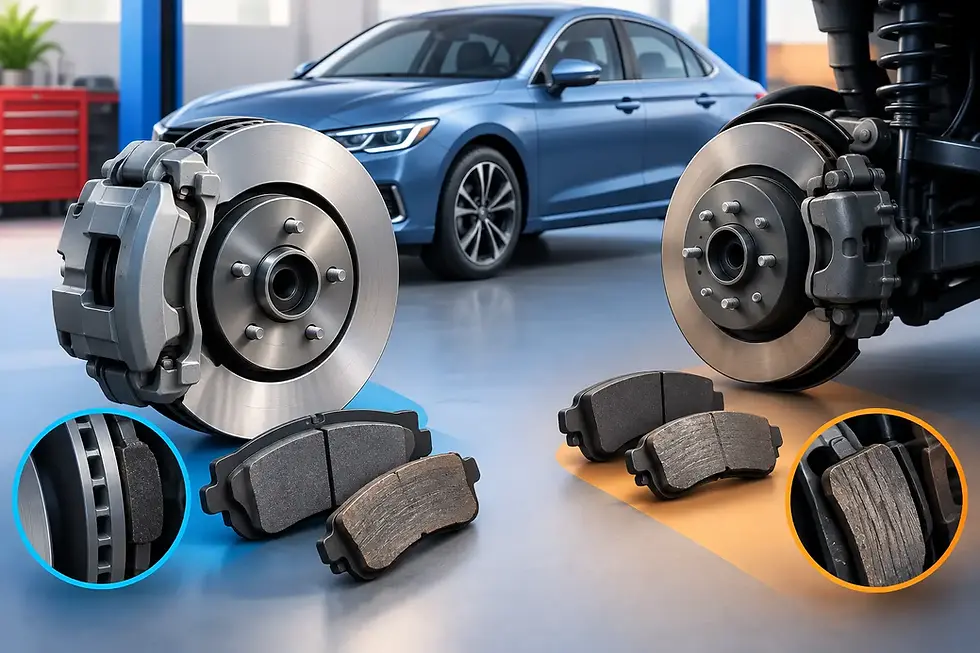
On some vehicles, you can look through the wheel spokes and see the outer brake pad against the rotor. A healthy pad has visible friction material between the metal backing plate and the rotor. When that material looks very thin, it is time for an inspection.
This is only a quick visual check. The inner pad can wear faster than the outer pad, particularly if a caliper slide is sticking. Rear brakes may also be harder to see, and some wheels do not provide a clear view at all. You cannot accurately judge rotor condition, caliper movement, brake fluid condition, or internal wear from a glance through the wheel.
Brake pad life depends on your vehicle and driving habits. City commuters who spend a lot of time in traffic may wear pads sooner than drivers with mostly highway miles. Towing, steep hills, frequent hard stops, vehicle weight, and pad material all affect wear. There is no mileage number that fits every car, truck, or SUV.
What Happens When You Wait Too Long?
Replacing pads early is usually straightforward. Waiting until they grind can damage the rotors, affect calipers, and create more heat in the braking system. The repair becomes larger because the pads are only one part of how your vehicle stops.
Worn brakes can also show up at the wrong time: a sudden stop on Highway 183, a wet road, a school pickup line, or busy weekend traffic. A vehicle may still stop with thin pads, but the margin for error gets smaller as braking parts wear or fail.
Brake wear can be uneven, too. One pad may look acceptable while another is nearly gone. That is why a full brake inspection should include pad thickness, rotor condition, caliper operation, brake hoses, hardware, fluid level, and a road test when appropriate.
When to Schedule Brake Service
Schedule a brake inspection soon if you hear repeated squealing, feel pulsation, notice pulling, see a warning light, or suspect the pads are getting thin. A routine inspection is also smart during an oil change, tire rotation, or before a long road trip. Catching wear early gives you more options and helps avoid a surprise repair.
If you hear grinding, smell burning, have a soft pedal, or feel a major loss of braking power, do not keep driving as usual. Have the vehicle checked immediately. If it does not feel safe to drive, arrange a tow.
At JD Garage Auto Repair & Tires in Bedford, our team can inspect the complete brake system, explain what is worn, and recommend the repair your vehicle actually needs. No guesswork, no pressure to replace parts that are still in good shape.
Your brakes handle every commute, errand, school run, and Texas traffic backup. When they start sounding or feeling different, trust that signal and get them checked before the next stop has to be a hard one.


Comments