
Check Engine Light Diagnostic: What to Do
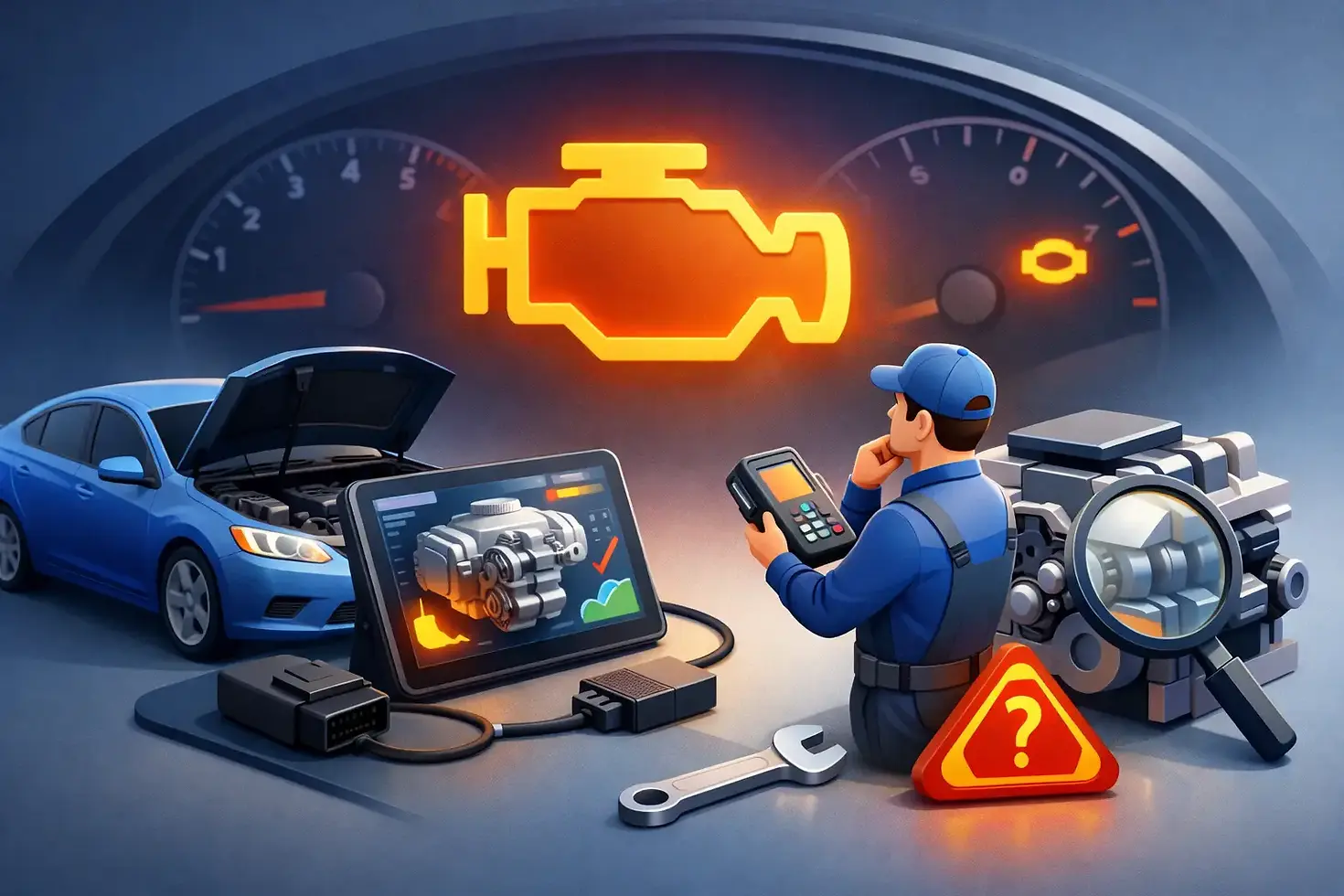
That light comes on at the worst time - on your way to work, during school pickup, or right before a weekend trip. A check engine light diagnostic helps take the guesswork out of the problem. Sometimes the issue is minor, like a loose gas cap. Other times, it is the first warning sign of a misfire, sensor failure, emissions problem, or engine damage that will only get more expensive if you keep driving.
What a check engine light really means
Your vehicle’s check engine light is tied to the onboard diagnostic system. That system monitors engine performance, emissions equipment, fuel delivery, ignition timing, and other key functions. When the computer sees a reading outside the normal range, it stores a trouble code and turns the light on.
That code is a starting point, not a final answer. This is where many drivers get tripped up. A code might point to a system that is affected, but not always the exact part that failed. For example, a code related to oxygen sensors does not automatically mean the oxygen sensor itself is bad. It could be wiring, a vacuum leak, a fuel mixture problem, or an exhaust issue causing the sensor to report something unusual.
That is why a real diagnostic matters more than simply plugging in a code reader and replacing the first part that sounds familiar.
Why a proper check engine light diagnostic matters
If the light is on, your car is telling you something changed. The biggest mistake is assuming the car still feels mostly normal, so the issue can wait indefinitely. Some problems stay small for a while. Others spread.
A small ignition problem can turn into catalytic converter damage. A fuel system issue can hurt gas mileage and performance. An emissions problem may keep you from passing inspection. Even if the vehicle still starts and drives, the longer you ignore the warning, the more likely it becomes that a less expensive repair turns into a larger one.
A proper check engine light diagnostic helps answer three practical questions fast: Is the vehicle safe to drive, what is actually causing the light, and what needs to be fixed now versus monitored for later?
Flashing light vs. steady light
Not every check engine light means the same level of urgency.
A steady light usually means the vehicle has detected a fault that needs attention soon. You may still be able to drive it short distances, but that depends on how the car is running. If you also notice rough idle, poor acceleration, stalling, shaking, or a fuel smell, it should be checked as soon as possible.
A flashing check engine light is more serious. In many vehicles, that points to an active misfire severe enough to damage the catalytic converter. If the light is flashing, reduce speed, avoid hard acceleration, and get the vehicle inspected right away. Continuing to drive in that condition can make the repair much more expensive.
Common causes behind the light
The check engine light covers a wide range of issues, which is why guessing rarely saves money. Some of the more common causes include bad ignition coils or spark plugs, failing oxygen sensors, loose or faulty gas caps, mass airflow sensor problems, catalytic converter issues, vacuum leaks, EVAP system leaks, thermostat problems, and electrical faults.
There is also a big difference between common and simple. A gas cap issue may be an easy fix. A lean condition code, on the other hand, can come from several different causes and needs testing to pinpoint. Two cars can show the same code and need completely different repairs.
What happens during a check engine light diagnostic
A professional check engine light diagnostic is more than reading a code and clearing it. The process should include checking the stored trouble codes, reviewing freeze frame data, and looking at live sensor readings while the vehicle is running. Freeze frame data shows what the engine was doing when the fault occurred, such as temperature, speed, and fuel trim. That helps narrow down whether the problem happens at startup, under load, at idle, or only under certain conditions.
From there, a technician may inspect wiring, connectors, hoses, ignition components, fuel delivery, vacuum lines, or emissions parts depending on the code and symptoms. In some cases, additional testing is needed, such as smoke testing for leaks, battery and charging system checks, or circuit testing for electrical issues.
This step-by-step approach matters because modern vehicles are interconnected. One bad signal can trigger problems in another system. Good diagnostics save time because they focus on the cause, not just the symptom.
Can you keep driving with the light on?
It depends on how the vehicle is behaving.
If the light is steady and the car is driving normally, you may be able to drive it a short distance to have it checked. Even then, it is smart to avoid long trips, towing, or heavy acceleration until you know what is wrong.
If the engine is shaking, losing power, overheating, stalling, or the light is flashing, driving it further is a risk. The same goes if you notice smoke, strong fuel odor, or unusual noises. Those signs can point to a problem that moves quickly from inconvenient to damaging.
Drivers sometimes wait because they do not want to hear bad news. That is understandable. But diagnostics usually save money when they happen early. You are paying for clarity before a manageable issue turns into a breakdown.
Why code readers do not tell the whole story
Many auto parts stores and handheld scanners can pull trouble codes. That can be useful, but it is not the same as diagnosing the vehicle.
A code reader tells you where the computer noticed a problem. It does not confirm why it happened. Replacing parts based on code descriptions alone is one of the most common ways people waste money. You can easily end up replacing a sensor that was doing its job by reporting another issue upstream.
Professional diagnostics combine scan data with symptom checks, visual inspection, testing, and repair experience. That is what turns a code into an accurate repair plan.
Check engine light and inspections
For many drivers, the check engine light becomes urgent when inspection time rolls around. If the light is on, your vehicle may not pass. Even if the light recently turned off, the onboard monitors may not be ready yet if codes were cleared without the issue being fixed.
That is another reason not to wait until the last minute. A proper repair may need drive cycles to reset readiness monitors before inspection. If you are already close to your deadline, that timing matters.
What to do when the light comes on
First, pay attention to how the vehicle feels. If it is running rough, losing power, or the light is flashing, treat it as urgent. If it seems normal, check that the gas cap is tight, but do not assume that fixes everything.
Next, avoid guessing. Clearing the light without finding the cause does not solve the problem. It only resets the warning until the system sees the fault again.
Then schedule a diagnostic. A shop that handles diagnostics, repairs, and follow-up service in one place makes the process easier because there is no handoff between one place that reads codes and another that actually fixes the car. For Bedford-area drivers, JD Garage Auto Repair & Tires is built for exactly that kind of one-stop service.
When fast service makes the biggest difference
Some check engine light problems are simple. Some are layered. The value of getting it checked quickly is not just speed - it is knowing whether you are dealing with a minor repair, a drivability issue, or a problem that could affect safety, fuel economy, or inspection status.
For busy families, commuters, and anyone trying to keep an older vehicle dependable, that clarity matters. You want straight answers, practical options, and a repair path that fits the condition of the car and your budget. Sometimes the right move is immediate repair. Sometimes it is planning the next step before the problem gets worse.
If your check engine light is on, the best time to find out why is before the car leaves you stranded, fails inspection, or turns a smaller issue into a larger bill. A good diagnostic gives you a clear path forward so you can get back on the road with fewer surprises.


Comments