
Car Tune Up Service: What Drivers Should Know
That rough idle at a stoplight, the slow acceleration getting onto the highway, or the drop in gas mileage on your weekly commute - those are the moments when car tune up service stops being optional and starts feeling urgent. For most drivers, the goal is simple: fix small performance issues before they turn into bigger, more expensive repairs.
What car tune up service really means today
A tune-up is not the same thing it was 20 or 30 years ago. Older vehicles needed frequent adjustments to ignition timing, carburetors, and other parts that modern vehicles no longer use. Today, car tune up service is more about replacing worn maintenance items, checking system performance, and making sure the engine is running the way it should.
That matters because many drivers still picture a tune-up as one standard package. In real life, it depends on the make, model, mileage, and symptoms your vehicle has. One car may need spark plugs and ignition coil testing. Another may need air and fuel system checks, filters, or diagnosis of a check engine light that feels like a tune-up problem but is actually something else.
A good shop will not guess. It will look at what your vehicle manufacturer recommends and what your car is actually doing on the road.
What is included in a car tune up service?
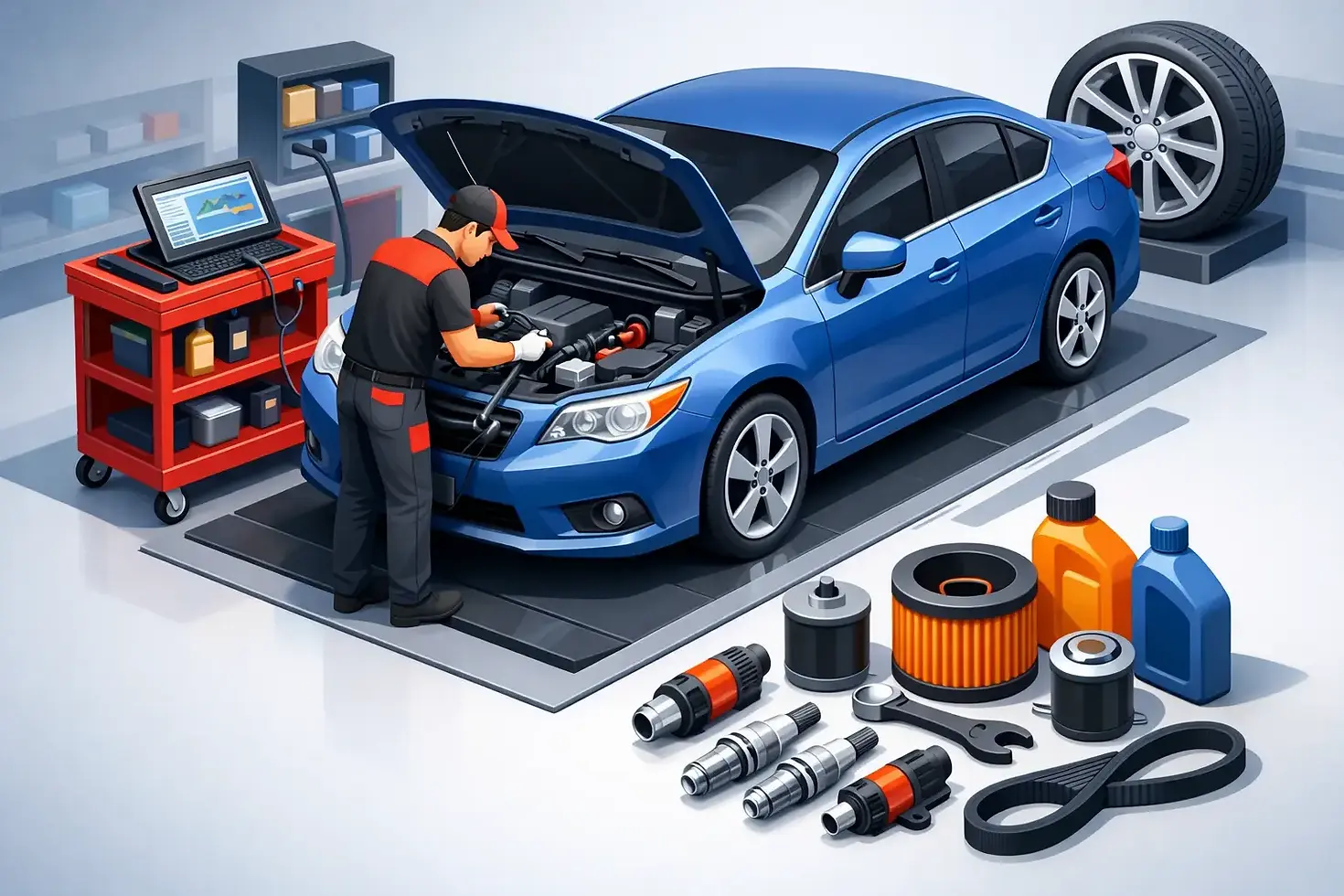
The answer depends on the vehicle, but most modern tune-ups focus on the parts that directly affect ignition, fuel delivery, airflow, and overall drivability. Spark plugs are one of the most common items. As they wear out, your engine can misfire, idle poorly, lose power, or burn more fuel than it should.
Ignition coils may also be inspected or tested if the vehicle is misfiring. Air filters are another common service item because restricted airflow can hurt engine performance. Depending on the mileage and condition of the vehicle, a shop may also inspect fuel injectors, throttle body condition, battery and charging performance, and engine computer trouble codes.
In some cases, fluids and other maintenance items come into the conversation too. That does not mean every tune-up should turn into a long list of add-ons. It means your vehicle may be due for other scheduled services at the same time, especially around major mileage intervals like 30,000, 60,000, or 90,000 miles.
The right approach is practical. Replace what is worn, test what is questionable, and avoid replacing parts just because the word tune-up sounds broad.
Signs you may need car tune up service
Some vehicles make it obvious. Others get worse so gradually that drivers adjust without realizing it. If your car feels different than it did a few months ago, that change is worth paying attention to.
Common signs include hard starting, shaky idling, sluggish acceleration, poor fuel economy, engine hesitation, or a noticeable loss of power. A flashing or steady check engine light also matters. Sometimes the problem is directly related to tune-up components. Sometimes it points to a sensor, fuel issue, or emissions problem that needs proper diagnosis before any parts are replaced.
If your vehicle has gone well past the recommended service interval, that alone is reason to have it checked. Waiting too long on worn spark plugs, for example, can lead to bigger ignition issues and put extra strain on related components.
Why timing matters more than most drivers think
A lot of people wait until the car is running badly before scheduling service. That is understandable, but it is not always the cheapest move. Small drivability issues tend to spread. A simple maintenance item can turn into a harder diagnosis if it is ignored long enough.
For example, a minor misfire may start with worn plugs. Leave it alone, and you may end up damaging an ignition coil or causing stress on other engine components. The same goes for neglected filters or unresolved fuel and air problems. What begins as lower performance can turn into rough operation, failed inspections, and more shop time.
That is why scheduled maintenance matters. Car tune up service works best when it is done before the vehicle is struggling every day.
Tune-up vs. diagnostic work
This is where many drivers get tripped up. They ask for a tune-up because the car is running poorly, but what they actually need first is testing. A tune-up replaces known wear items. Diagnostic work finds the cause of a symptom.
Sometimes those overlap. If your spark plugs are overdue and the engine is misfiring, replacing them may solve the issue. But if the real problem is a bad sensor, fuel delivery fault, vacuum leak, or electrical issue, a basic tune-up will not fix it.
A reliable shop will tell you the difference. That saves time and money. It also keeps you from paying for parts that do not address the actual problem.
How mileage affects what your vehicle needs
Mileage is one of the biggest factors in deciding what service makes sense. A newer vehicle with 40,000 miles may only need inspection and a few routine replacements based on the manufacturer schedule. A higher-mileage vehicle may need a more thorough look at ignition parts, fuel system condition, and related maintenance items.
That does not mean older cars are automatically a bad investment. Many stay dependable for years when maintenance is handled on time. It does mean service should be tailored to the vehicle in front of you, not treated like a one-size-fits-all package.
Drivers who keep up with major interval services usually avoid more surprises. Those visits are a good time to catch worn parts early and keep the vehicle road-ready.
Choosing a shop for car tune up service
When you bring your car in, you want clear answers. What does the vehicle need now? What can wait? Is the issue routine maintenance, or does it point to something more serious?
The best shop experience is one that keeps things simple and honest. You should expect a technician to look at your mileage, symptoms, and service history before recommending work. If your check engine light is on, the shop should be ready to diagnose it, not just swap parts and hope for the best.
Convenience matters too. For busy drivers, it helps to have one local shop that can handle tune-ups, diagnostics, inspections, brake work, tires, and other repairs in the same place. If your car needs more than expected, that saves time and avoids the hassle of bouncing between different businesses.
At JD Garage Auto Repair & Tires, that is the value of a full-service neighborhood shop. You can bring in a vehicle for tune-up concerns and get practical help whether the solution is routine maintenance, deeper diagnostics, or related repairs that need attention.
What a tune-up can and cannot do
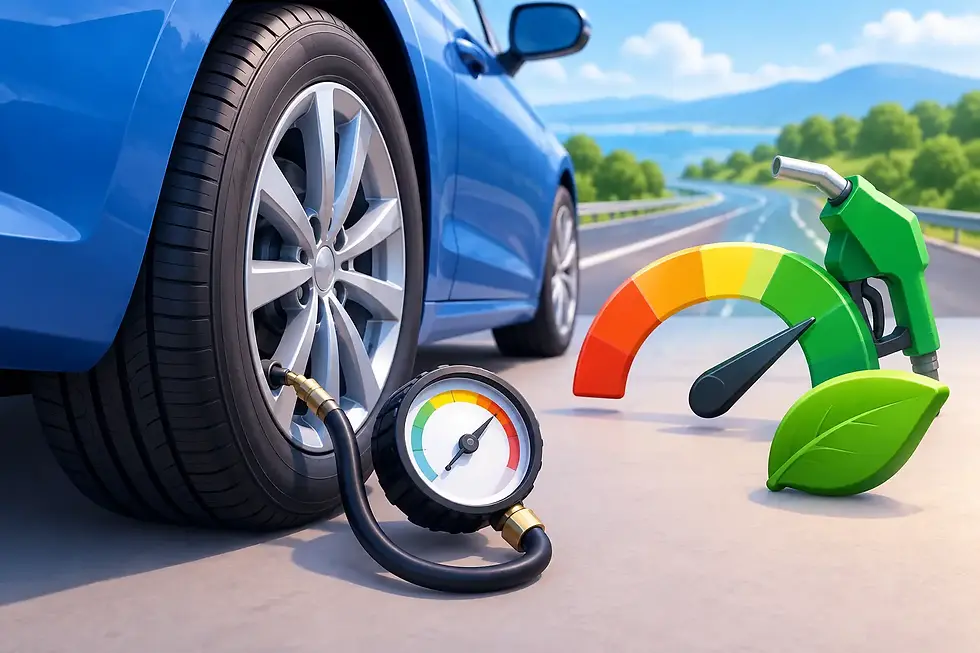
A proper tune-up can improve starting, idle quality, throttle response, fuel efficiency, and overall engine performance when worn maintenance parts are the cause. It can also help reduce the chance of larger ignition-related problems later.
What it cannot do is fix every performance complaint by itself. If your vehicle has transmission trouble, major engine damage, sensor failure, or drivability issues caused by another system, a tune-up is only part of the picture or not the answer at all.
That is not bad news. It is simply the truth. Good service is about fixing the real issue, not forcing every problem into the same category.
When to schedule service
If your car is showing symptoms, now is the right time. If it is not, check your owner's manual and stay ahead of the mileage intervals. Drivers who commute across Bedford and the DFW area every day put real wear on their vehicles, especially with stop-and-go traffic, heat, and long weekly miles.
If you are unsure whether you need a tune-up, an inspection by a trusted local mechanic can give you a straight answer. Sometimes the fix is simple. Sometimes the vehicle needs a broader maintenance plan. Either way, getting ahead of the problem usually beats waiting for a breakdown, a failed inspection, or a car that leaves you guessing every time you turn the key.
A car that runs right is easier to live with, easier to trust, and usually cheaper to keep on the road.



Nice Wrong Fuel