

A Guide to Dashboard Warning Lights for Drivers
A warning light comes on during the morning commute, and suddenly the car feels a lot less predictable. This guide to dashboard warning lights helps you separate a serious safety issue from a reminder that can wait until your next service visit. The color, symbol, and way your vehicle is driving all matter.
Dashboard lights are not all the same, and the safest response is not always to pull over immediately. Some alerts tell you to take action now. Others mean your vehicle needs attention soon. When in doubt, avoid guessing or clearing the light and hoping it stays off. A quick inspection can prevent a small repair from becoming a breakdown.
Guide to Dashboard Warning Lights by Color
Most vehicles use a simple color system. Your owner's manual is the final word because symbols can vary by make and model, but these general rules apply to most cars, trucks, and SUVs.
Red lights: Stop as soon as it is safe
A red warning light usually means a safety system or major mechanical system needs immediate attention. Do not continue driving farther than necessary to get out of traffic safely. If the vehicle is overheating, has low oil pressure, loses braking power, or shows a serious charging problem, shut it off and arrange for help.
The red oil pressure light is one of the most urgent alerts. It does not simply mean you are due for an oil change. It can mean the engine is not getting enough oil pressure to protect moving parts. Driving with low oil pressure can cause severe engine damage in a very short time.
A red temperature warning light means the engine may be overheating. Turn off the air conditioning, pull over when safe, and shut the engine off. Do not open a hot radiator cap. Let the vehicle cool, because pressurized coolant can cause serious burns.
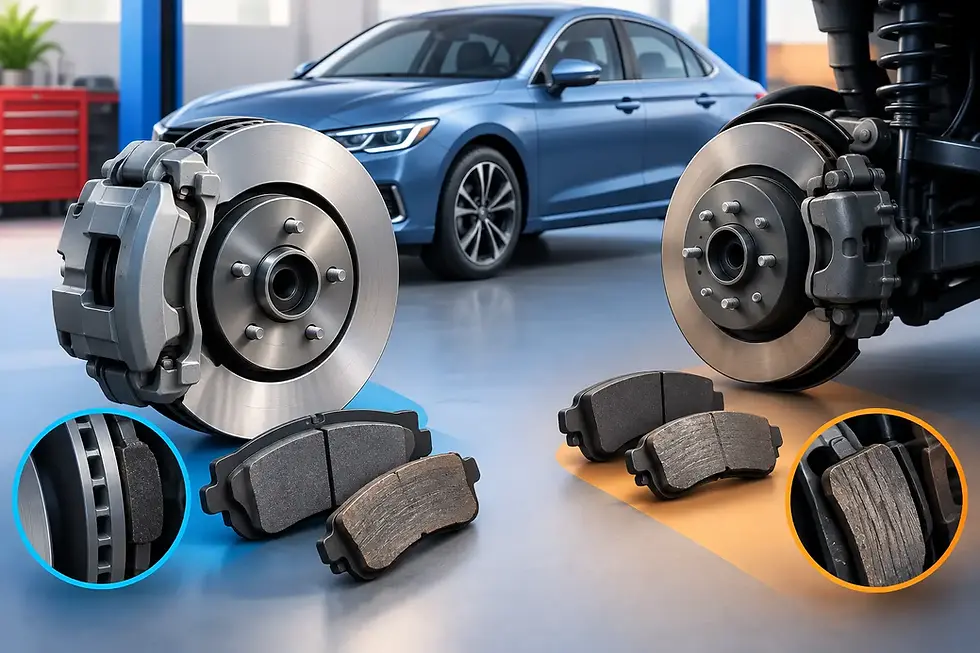
A brake warning light can mean the parking brake is on, but it can also point to low brake fluid or a hydraulic brake problem. If the light stays on after releasing the parking brake, or the brake pedal feels soft, spongy, or unusually low, do not treat it as a routine appointment.
Yellow or amber lights: Schedule service soon
Yellow and amber lights generally mean your vehicle needs diagnosis or maintenance, but you may be able to drive carefully for a short time. The exception is when the vehicle is running rough, losing power, making new noises, or showing other symptoms. In that case, stop driving and have it checked.
The check engine light is the warning drivers see most often. It can be caused by something simple, such as a loose gas cap, or something that needs repair, such as an ignition, fuel, emissions, or sensor issue. A steady check engine light usually gives you time to schedule diagnostics. A flashing check engine light is different. It often signals an active misfire that can damage the catalytic converter, so reduce driving and get the vehicle inspected promptly.
The ABS light means the anti-lock braking system has a fault. Your normal brakes may still work, but the ABS feature may not engage during hard braking or slippery conditions. That is not a light to ignore, especially during wet North Texas weather or heavy DFW traffic.
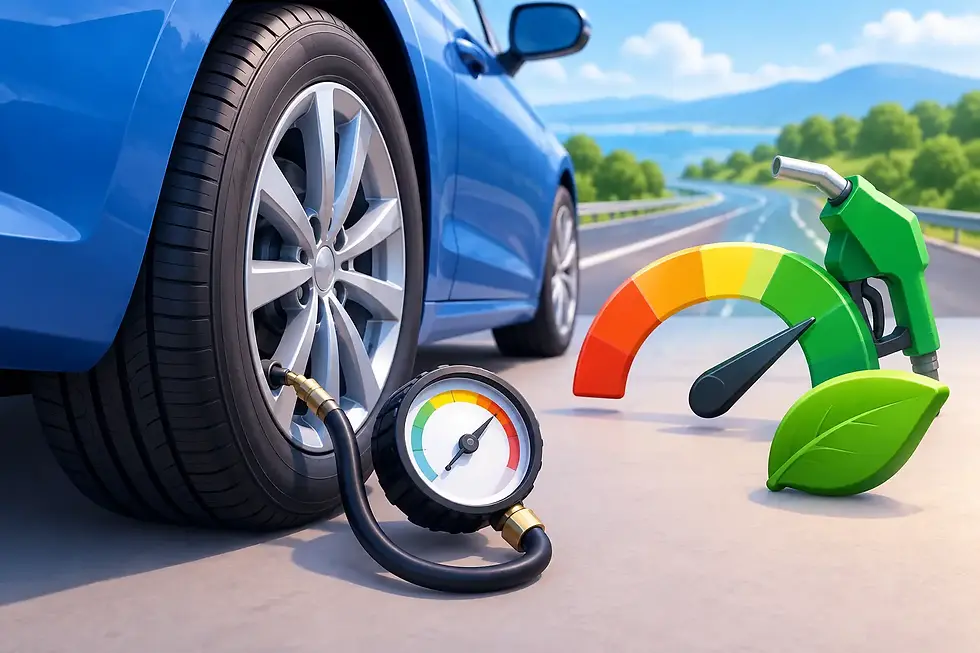
A tire pressure monitoring system light means one or more tires may be low. Check tire pressure when the tires are cold and inspect for a nail, sidewall damage, or a slow leak. If the light is flashing before staying on, the system itself may have a sensor or communication issue.
Green, blue, and white lights: Information, not emergencies
These lights usually show that a feature is active. High beams, turn signals, cruise control, and fog lights commonly use green, blue, or white indicators. They do not usually mean a repair is needed. Still, pay attention to a blue temperature light on a cold start. It generally means the engine has not reached normal operating temperature, so avoid hard acceleration until it warms up.
The Warning Lights Drivers Should Never Ignore
Some dashboard alerts deserve fast action even when the vehicle seems to be driving normally. Batteries, tires, brakes, and engine cooling systems can fail with little warning.
The battery light means the charging system is not working correctly. The issue may be the battery, alternator, drive belt, wiring, or a connection. Your vehicle may keep running for a limited time on battery power, but once that power is gone, the engine can stall and may not restart. Turn off unnecessary electrical accessories and head to a repair shop if it is safe to do so.
A low tire pressure light can become a safety issue quickly if a tire is losing air. A tire that looks only slightly low may have internal damage, a puncture, or a leak at the valve stem. Avoid high speeds and do not assume adding air solves the problem for good.
The airbag or SRS light means the supplemental restraint system may not work as designed in a collision. You can usually drive the vehicle to service, but do not put off the repair. The same goes for a traction control or stability control light. The vehicle may be drivable, but one of the systems that helps maintain control in a skid could be unavailable.
What to Do When a Dashboard Light Comes On
Start by looking at the color and symbol, then pay attention to how the vehicle feels. Is the engine overheating? Is there smoke, a burning smell, fluid leaking underneath, vibration, reduced power, or a strange brake pedal? Those details help determine whether the vehicle should be driven at all.
Use this quick response plan when an unfamiliar light appears:
Pull over and shut the vehicle off if a red oil, temperature, or brake warning light appears, or if you notice smoke, steam, major leaks, or loss of control.
Check simple items only when it is safe, such as whether the parking brake is fully released or the gas cap is secure.
Take a photo of the warning light and note when it came on, whether it flashes, and any sounds or changes in performance.
Schedule a diagnostic inspection for steady yellow lights, and arrange prompt service for flashing lights or anything paired with drivability problems.
Do not disconnect the battery just to make a check engine light disappear. That may erase useful diagnostic information, reset monitors needed for an inspection, and leave the actual problem unresolved. A code reader can point toward a system, but a trouble code is not always the failed part. Proper diagnosis looks at the code, vehicle symptoms, wiring, data, and the condition of related components before repairs are recommended.
A Few Common Warning Lights That Depend on the Vehicle
Modern vehicles can display alerts for low windshield washer fluid, key fob battery, lane-assist systems, blind-spot monitoring, transmission temperature, diesel exhaust fluid, and more. These are useful alerts, but the right response depends on the message.
For example, a maintenance reminder often means an oil change, tire rotation, or mileage-based service is due. It is different from an oil pressure warning light. A service reminder can usually be scheduled around your week. Low oil pressure needs immediate attention. The symbols may look similar at a glance, which is why checking the owner's manual or having a technician verify the alert is smart.
Some vehicles also display a message such as “power reduced” or “limp mode.” This is the vehicle protecting itself after detecting a problem. It may still move, but acceleration can be limited. Avoid highway driving, towing, or hard acceleration until the issue is diagnosed.
Get a Clear Answer Before a Small Issue Grows
Dashboard lights are built to give you an early warning, not to create panic. The key is responding according to the alert, not ignoring it until the vehicle stops running. A steady warning light may allow time for an appointment, while a flashing or red light calls for faster action.
At JD Garage Auto Repair & Tires in Bedford, our team can inspect warning lights, diagnose the cause, and explain what needs attention in plain language. Whether it is a check engine light, battery issue, tire concern, brake warning, or overheating problem, getting it checked early helps keep your vehicle safe and your day moving.


Comments